2026 ASPPH Annual Report
85 Years
of Leadership, Collaboration & Impact
in Public Health
of Leadership, Collaboration & Impact
in Public Health




For 85 years, ASPPH and its members have advanced academic public health through leadership, collaboration, and a shared commitment to improving health and well-being. In FY 2026, that legacy continued during a period of rapid change for higher education, public health, science, and the communities our institutions serve.
Throughout the year, ASPPH helped move the field from ideas to implementation. We supported faculty in bringing climate and health into the classroom, advanced a field-wide framework for the responsible use of artificial intelligence, strengthened pathways into the public health workforce, and expanded opportunities for members to learn from one another and act together.
We also remained a strong voice for academic public health as members navigated significant policy and funding challenges. Through advocacy, legal action, coalition leadership, research, convenings, and member engagement, ASPPH worked to protect the infrastructure that supports public health education, research, and practice while creating new tools and partnerships for the future.
Grounded in the ASPPH Strategic Plan 2030, our work this year reflects both continuity and resilience. As we mark 85 years of collective impact, we celebrate the people and institutions that have shaped our field and reaffirm our commitment to building an academic public health enterprise that is innovative, connected, responsive, and prepared for what comes next.
Eighty-five years ago, 10 schools of public health came together around a shared belief: that education and research could help people live healthier lives. Today, ASPPH is a community of more than 150 schools and programs. Our reach has grown, but the heart of our work remains the same: preparing people to serve, generating knowledge that matters, and standing up for the health of all.
This anniversary year asked us to look both forward and inward. Artificial intelligence is changing how we teach, conduct research, and work with communities. Its promise is considerable, and so are the questions it raises about equity, trust, and accountability. We released Harnessing Innovation: Artificial Intelligence for Academic Public Health to help our field meet this moment with care and purpose. Now we are helping members turn that framework into practice through training, resources, and opportunities to learn from one another.
We also faced consequential policy challenges for public health and higher education in the United States. We listened to our members, brought their evidence and expertise to policymakers, and advocated for the students and researchers on whom our future depends. When advocacy alone was not enough, we joined legal challenges to federal policies affecting public health students’ access to loans and the funding that supports research. Our members and partners made our collective voice stronger at every step.
And we kept bringing people together. At our Annual Meeting, retreats, and gatherings throughout the year, members shared ideas, challenged one another, and found new ways to work together. We strengthened relationships with schools of public health around the world and made space for conversation across differing perspectives. That work matters. Public health advances when we remain connected to one another and to the communities we serve.
I am deeply grateful to our Board of Directors for their guidance, to our staff for the care and determination they bring to this mission, and to the students, faculty, staff, and leaders across our member institutions. Their work gives meaning to this anniversary.
The world ASPPH serves today is vastly different from the one its founders knew. What they understood, and what this year has affirmed, is that we can meet daunting challenges when we bring our knowledge, courage, and compassion together. That is the spirit I carry into our next chapter—and the reason I believe so strongly in what we can achieve for better health and well-being for everyone, everywhere.

Laura Magaña, PhD, MS
President & CEO
Association of Schools and Programs of Public Health
Over the past few years, the academic public health community has navigated a rapidly changing landscape. We’re guiding our programs and institutions through a turbulent mix of funding uncertainties, shifting federal policies, emerging health threats, and declining trust in science. While the challenges we face are significant, I also feel hopeful about our ability to shape a healthier future thanks to our shared commitment to public health and the support and resources provided by ASPPH.
ASPPH addresses the most pressing issues in our profession and amplifies the voice of academic public health through vigorous advocacy for federal investments in research, education, and workforce development. To highlight one important recent example, the association has strongly advocated for public health students’ access to federal graduate loans. Along with other professional organizations, ASPPH is challenging the Department of Education’s Reimagining and Improving Student Education (RISE) rule, which currently excludes public health graduate programs from eligibility for higher federal student loan limits. This rule creates barriers that could worsen the existing public health workforce shortage.
ASPPH has also continued to lead on issues that are shaping the future of public health. Advances in artificial intelligence are having a powerful impact on how we teach, conduct research, and serve communities, yet the technology poses numerous ethical questions. In 2026, the association released the Artificial Intelligence Framework: Harnessing Innovation for Academic Public Health, a roadmap that provides schools and programs with guidance for integrating AI responsibly, ethically, and effectively into education, research, and practice.
Throughout all these challenges, I’m grateful that ASPPH serves as the “glue” that connects our academic community and strengthens our efforts. Through annual meetings, advocacy events, workforce initiatives, student recruitment efforts, and member engagement activities, the association has created opportunities for collaboration across institutions, disciplines, and sectors.
I want to thank the dedicated team at ASPPH for their hard work that keeps us informed, connected, and represented in spaces where policy takes shape. I’m also grateful to all my colleagues — I truly value your knowledge, partnership, and unwavering commitment to educating the next generation of public health professionals and improving the health and well-being of communities everywhere. I look forward to all that we will accomplish together.
Sincerely,


Edith Parker, DrPH, MPH
Dean, University of Iowa College of Public Health
Chair, ASPPH Board of Directors
Across these efforts, ASPPH combined faculty development, research, global collaboration, technological innovation, and member engagement to strengthen the capacity of schools and programs to respond. The result was a portfolio of initiatives designed not only to address today’s challenges, but also to prepare academic public health for the questions and opportunities ahead.
This year, ASPPH turned shared priorities into practical tools, learning opportunities, and partnerships.

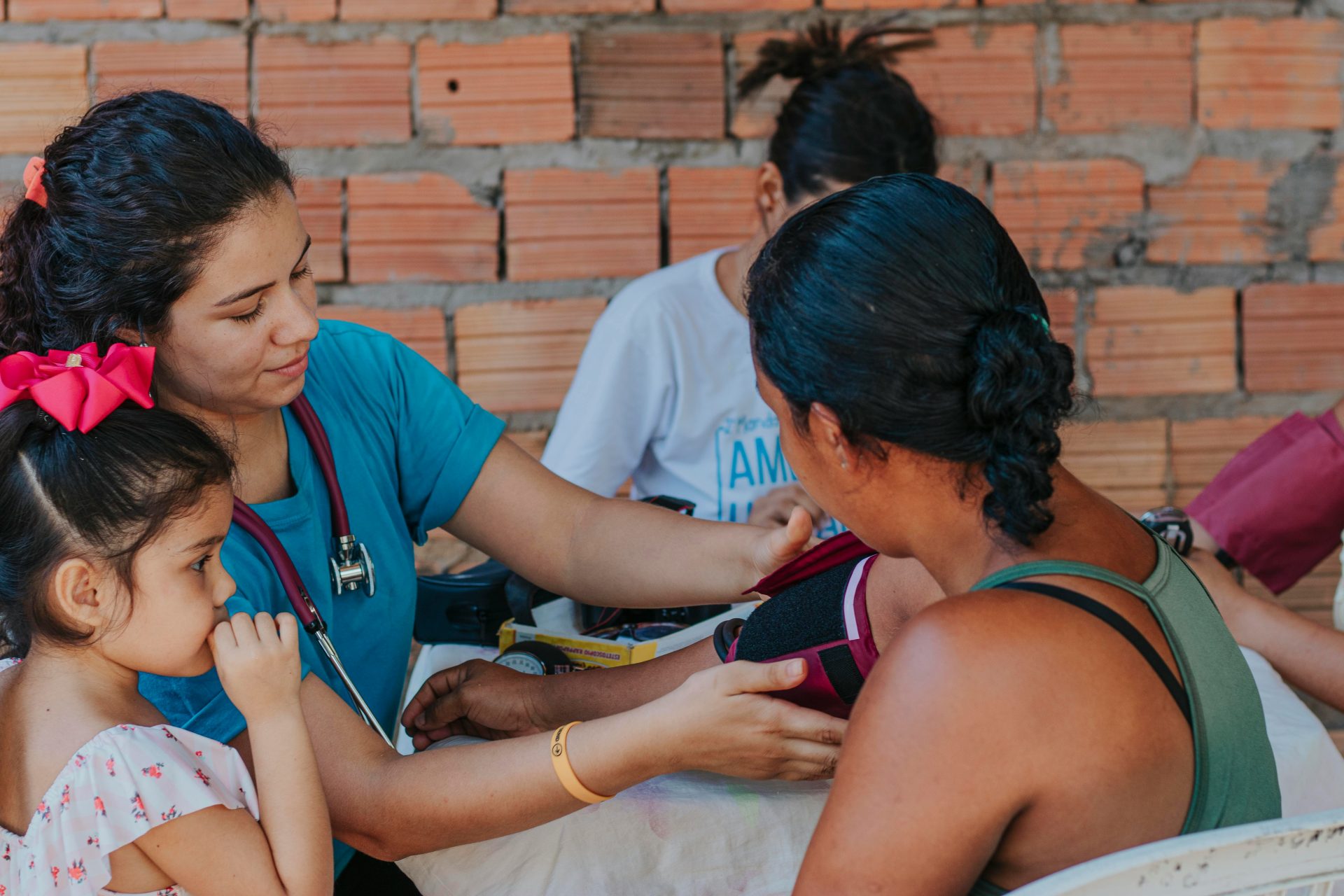

In FY 2026, ASPPH advanced a field-wide approach to the responsible and ethical use of artificial intelligence in public health education, research, and practice. In June 2026, ASPPH released Harnessing Innovation: Artificial Intelligence for Academic Public Health, providing schools and programs of public health with a roadmap for AI adoption at a time when only 12% had established formal, publicly available AI policies.
The framework was developed by ASPPH’s Task Force for the Responsible and Ethical Use of Artificial Intelligence in Public Health Research, Practice, and Education. Convened in spring 2025 and chaired by Ashish Joshi, PhD, MBBS, MPH, dean of the University of Memphis School of Public Health, the 20-member task force brought together experts from academia, public health practice, health care, and technology.
Its recommendations were grounded in two original studies. The first examined publicly available generative AI policies across ASPPH member schools and programs. The second analyzed 227 unique job postings for AI-related public health roles. Software skills appeared in 70% of postings, while management and executive positions represented a substantial share of roles—reinforcing the need for both AI-enabled practitioners and AI-literate leaders.
Four subgroups translated these findings into recommendations across the framework’s pillars: Education, Teaching and Learning; Practice and Research; and Policy, Governance, and Infrastructure.
Member and stakeholder input also played a central role in shaping the final framework. Following a public webinar in December 2025, ASPPH released a draft in January 2026 and invited feedback through an open comment period, town hall, and listening sessions with faculty, students, technology vendors, and practice partners. Reviewers called for stronger evidence, clearer definitions, more practical implementation guidance, and deeper consideration of algorithmic bias, environmental impacts, structural harm, and faculty capacity. The task force incorporated this feedback, producing a more rigorous and usable final framework.
Publication marked the beginning of the next phase of work. Through the IDEA Institute, ASPPH began advancing implementation through webinars, community-of-practice roundtables, learning exchanges, and member resources. Additional research examining existing AI programs and certificates is also underway.
ASPPH further advocated for integration of emerging digital competencies into public health education by submitting proposed revisions to the Council on Education for Public Health‘s accreditation criteria, including data literacy, machine learning fundamentals, and digital ethics. Together, these efforts are helping academic public health navigate rapid technological change while keeping responsible, evidence-based, and human-centered use of AI at the forefront.
AI FRAMEWORK: EVIDENCE BEFORE RECOMMENDATIONS

In FY 2026, ASPPH continued to advance efforts to prepare the academic public health community to address the growing health impacts of climate change, with a particular focus on equipping faculty to integrate climate and health into public health education.
As Secretariat for the Global Network for Academic Public Health (GNAPH), ASPPH helped develop and deliver Climate-Ready Classrooms: A Public Health Faculty Development Course on Climate Change in collaboration with the Global Consortium on Climate and Health Education (GCCHE). The free, 11-session virtual course brought together more than 1,000 participants worldwide. Sessions combined foundational climate and health content with global and regional case studies, practical teaching approaches, and strategies for incorporating climate-related competencies into public health curricula.
Building on the course, GNAPH and GCCHE launched regional Climate and Health Communities of Practice with support from GNAPH’s regional member associations. These faculty-led learning networks created a structured space for educators to move from knowledge to implementation by sharing resources, adapting teaching materials, mapping existing climate and health content within curricula, and addressing institutional barriers to curricular change.
ASPPH convened a Community of Practice specifically for faculty from its member institutions while also supporting coordination and cross-regional learning across the broader GNAPH initiative. Through these communities, faculty were able to continue conversations beyond the formal course and collaborate on practical approaches to strengthening climate and health education within their institutions.
ASPPH also continued to connect climate and health education with workforce development. In January, the ASPPH Presents webinar, Career Spotlight: Building Your Career at the Intersection of Climate and Health, brought together professionals from academia, government, and practice to explore emerging career pathways in the field. The discussion highlighted the skills, experiences, and interdisciplinary perspectives needed to address climate-related health challenges across sectors.
Together, these efforts helped move ASPPH’s Climate Change and Health Initiative from framework and resource development into a new phase of active implementation. By supporting faculty development, strengthening curricula, creating opportunities for peer learning, and connecting education with evolving workforce needs, ASPPH continued to help prepare a climate-ready public health workforce capable of responding to one of the most consequential public health challenges of our time.
Regional Communities of Practice supporting implementation and peer learning


In FY 2026, ASPPH continued to advance academic public health globally by strengthening connections, supporting collaboration, and elevating dialogue on the role of schools and programs of public health in addressing shared challenges.
As Secretariat for the Global Network for Academic Public Health (GNAPH), ASPPH piloted a new GNAPH Online Community, creating a dedicated space for information exchange, resource sharing, and collaboration among academic public health faculty worldwide. Open to institutional members of GNAPH’s regional associations, including ASPPH members, the platform enables participants to connect with colleagues across regions, join groups linked to GNAPH initiatives, access shared resources, and learn about opportunities for collaboration. The community is currently being piloted with Riegelman TIPH Global Grantees and members of regional climate and health communities of practice, establishing a foundation for broader global engagement.

ASPPH also continued to support public health diplomacy as an important area of education, practice, and international cooperation. In March, ASPPH and other GNAPH members participated in the second Public Health Diplomacy Summit on Regional and International Cooperation to Advance Public Health Diplomacy Among the Schools and Programs of Public Health, hosted by the University of Memphis School of Public Health. The summit brought together diplomats, academics, civil society representatives, and partner organizations from nearly 15 countries to examine how public health diplomacy is practiced and taught across regions.
Building on this momentum, ASPPH leadership and members contributed to discussions on public health diplomacy at the 4th Interdisciplinary World Health Congress on Health Research and Education in the Middle East and North Africa Region and the 1st European Congress on Education and Training in Public Health. These engagements extended the conversation across regions and reinforced the value of international cooperation.
The Global Engagement and Partnerships Advisory Committee further advanced ASPPH’s global health work throughout the year. At the ASPPH Annual Meeting, committee members led a session on Global Health Ethics, Equity, and Sustainability, exploring decolonization, shared decision-making, and capacity building. The committee is also developing a report on advancing global health in academic public health, scheduled for release in FY 2027.
In addition, the committee provided feedback on the Council on Education for Public Health‘s ongoing accreditation criteria revision process. Initial suggestions were received favorably, including recommendations related to global health within foundational knowledge and competencies. Together, these efforts reflect ASPPH’s continued commitment to strengthening global partnerships and advancing equitable, collaborative, and connected approaches to academic public health.
In FY 2026, ASPPH moved its Healthy Longevity Initiative from framework to action, bringing together members and partners to translate the recommendations of Healthy Longevity: Public Health’s Next Frontier into practical tools, research priorities, and opportunities for policy and practice.
The ASPPH Healthy Longevity Implementation Workgroup advanced three interconnected workstreams focused on Research, Education and Training, and Policy and Practice. The research group convened experts to develop a white paper and establish a consensus-building process to help shape a forward-looking research agenda. The education group began developing a practical toolkit to help schools and programs integrate healthy longevity, life-course prevention, and aging-related content into public health curricula.
Policy and practice efforts focused on translating the framework into actionable guidance for academic leaders and policymakers while strengthening connections with key partners. ASPPH engaged organizations including the Alzheimer’s Association, American College of Lifestyle Medicine, Trust for America’s Health, ASTHO, NNPHI, and APHA to explore alignment across healthy aging and longevity efforts, identify opportunities for coordination, and consider where a shared public health agenda could add value.
A Healthy Longevity implementation guide for Deans and Directors was released in early 2026, outlining tangible actions institutions can take across research, curriculum, practice partnerships, and advocacy. The guide emphasizes preparing every graduate to advance healthspan, strengthening translational and implementation research, building interdisciplinary and community partnerships, and advancing the vision of Public Health 4.0.
ASPPH also expanded the conversation through national and global convenings. At the 2026 ASPPH Annual Meeting, members of the Healthy Longevity Task Force led an interactive session exploring barriers, opportunities, and practical needs for implementation. At the 2026 CUGH Annual Conference, experts from academic public health, WHO, and PAHO examined healthy longevity as a global public health priority and its implications for education, health systems, and equity.
ASPPH President and CEO Dr. Laura Magaña further brought the framework to international audiences through discussions focused on advancing healthy longevity in the Middle East and North Africa region. At the 18th World Congress on Public Health in Cape Town, ASPPH, through its role in GNAPH, extended the conversation to healthy longevity priorities and experiences across the Asia-Pacific and South-East Asia regions.
Together, these efforts are advancing a simple but transformative goal: longer lives should also be healthier lives. By connecting research, education, practice, and policy, ASPPH and its members are helping academic public health lead the shift from lifespan to healthspan.


Our Strategic Plan is a bold and forward-looking framework to advance health and well-being for everyone, everywhere. This plan outlines our shared vision, and strategic goals that will guide ASPPH through the decade ahead.
Swipe to see the tenets of each part of the ASPPH Strategic Plan 2030.
Swipe to see the tenets of each part of the ASPPH Strategic Plan 2030.
On the left, click to see the tenets of each part of the ASPPH Strategic Plan 2030.


In FY 2026, ASPPH continued its longstanding work to transform academic public health by advancing dissemination, research scholarship, institutional excellence, communication, and storytelling. Academic public health institutions are uniquely positioned to drive societal change, and ASPPH’s efforts focused on equipping members with the knowledge, tools, and platforms needed to respond to contemporary public health challenges.
A major milestone was the June 2026 Frontiers in Public Health Special Supplement, Transforming Academia for Excellence. Featuring 25 articles from domestic and global contributors, the collection has generated more than 50,000 views and thousands of downloads. Building on this momentum, a new award, with support from Interfaith America, will advance scholarship through a second special supplement focused on community-engaged scholarship and community-participatory action.
Rooted in the values of inclusive excellence and health equity, the ASPPH Innovation, Discovery, and Excellence in Academia (IDEA) Institute continued to serve as a key infrastructure for advancing public health education. This work includes the Robert Wood Johnson Foundation-funded Transforming Academia for Equity initiative and builds on recommendations from expert panels addressing pressing issues such as gun violence, climate change, structural racism, public health leadership, and healthy longevity.
The IDEA Classroom further expanded opportunities for learning and professional development through courses focused on institutional excellence, relevant pedagogy, professional practice, accreditation, and ASPPH-published reports. The platform provides curated resources, educational modules, and interactive learning experiences aligned with ASPPH’s Strategic Plan 2030.
Central to IDEA’s learning ecosystem is the AI Resource for Innovation and Excellence (ARIE), ASPPH’s next-generation AI chatbot developed in partnership with AWS. ARIE advances the equitable and responsible use of artificial intelligence by serving faculty, students, leaders, and partners as a health science library hub, innovation laboratory, classroom teaching assistant, and interactive knowledge advisor.
ASPPH also expanded its communication and storytelling through IDEA Exchange, a podcast series launched in April 2026. Seven episodes have generated more than 700 downloads across platforms including Spotify, Apple Podcasts, and ASPPH YouTube. The series has reached listeners across North America, South America, Europe, Asia, Africa, and Oceania, extending ASPPH’s global reach while creating a new platform for sharing ideas, experiences, and innovation across academic public health.
A strong public health workforce depends on effective pathways from education into practice, reliable data about emerging needs, and opportunities for professionals to continue learning throughout their careers. In FY 2026, ASPPH strengthened each part of that continuum.
Through research, fellowships, applied practice experiences, credentialing, career programming, and partnerships with public agencies and communities, ASPPH helped members connect academic preparation with the realities of public health practice. These efforts support both the workforce of today and the pipeline of students and early-career professionals who will lead the field tomorrow.
In FY 2026, the ASPPH Center for Public Health Workforce Development worked with members and partners to anticipate workforce needs and develop shared solutions through five interconnected priorities: Data Collection and Analysis; Resources and Recommendations; Applied Learning and Training; Credentialing and Continuing Education; and Academic and Practice Partnerships.
ASPPH continued to serve as a leading source of data on academic public health and the workforce. Institutional Reporting collected data on admissions, enrollment, graduates, graduate outcomes, faculty and staff, revenue and expenditures, and institutional characteristics, supporting member benchmarking and national workforce planning. ASPPH also partnered with member institutions and CDC on research examining the academic public health pipeline, the supply of data scientists for governmental public health, and a Public Health Data Science Life Cycle framework.
The Center advanced resources addressing emerging workforce needs, including work with Harvard T.H. Chan School of Public Health to strengthen public health leadership education and research. A Frontiers in Public Health Research Topic brought together 109 authors across 21 articles focused on leadership competencies, mentorship, education, community engagement, and workforce development. With support from the de Beaumont Foundation, ASPPH also advanced infodemiology education, identifying opportunities to better prepare students and professionals to navigate misinformation, disinformation, changing health narratives, and declining public trust.
Applied learning remained central to the Center’s work. The ASPPH/CDC Public Health Fellowship Program received a record 370 applications, with more than 50 faculty and staff from member institutions serving as objective reviewers. Seventeen participants were placed at CDC, while 21 continued for an additional year. ASPPH also welcomed the inaugural Tribal Health Department Fellowship cohort and launched new applied practice programs connecting students with governmental public health agencies and the White House Office of National Drug Control Policy.
ASPPH continued strengthening the disease intervention workforce through the National Network for Disease Intervention Training and Credentialing and the Certified in Disease Intervention credential, helping create more consistent training, professional standards, and pathways for career development.
Finally, the Center expanded academic and practice partnerships through the Partnership to Advance Data Sovereignty and a new Task Force to Advance Tribal Academic Public Health. Guided by Tribal sovereignty and Indigenous voices, these initiatives strengthen relationships with Tribal Nations, advance Indigenous public health education, and support the Indigenous public health workforce.
Across this work, ASPPH serves as a convener and connector—bringing together evidence, expertise, education, and practice to strengthen today’s workforce while preparing for tomorrow’s public health needs.
In FY 2026, ASPPH continued to support students across the public health education pathway, expanding opportunities to explore graduate education, engage in hands-on learning, and prepare for meaningful careers in the field.
Through This Is Public Health® (TIPH) Graduate School Fairs, ASPPH connected prospective students with member institutions in Chicago, Houston, New York City, Minneapolis, Seattle, and Washington, DC. Six additional virtual mini-fairs expanded access nationwide. Together, these events drew thousands of attendees and gave students opportunities to learn directly about a wide range of graduate public health programs.
ASPPH also released the latest SOPHAS Annual Report, reflecting another strong application cycle in 2024-2025. More than 28,000 applicants and 11,600 matriculants were reported, with growth across key categories. The Academic Program Finder remained an important resource for prospective students, receiving more than 125,000 visits annually as users explored accredited graduate programs and identified options that aligned with their interests and goals.
Beyond recruitment and admissions, ASPPH created opportunities for students to build practical skills and apply their learning. The third annual Public Health Innovation Lab, generously supported by the University of Memphis School of Public Health, brought together 10 teams of undergraduate and graduate students from across the country for a week-long design sprint. Using human-centered design principles, participants developed approaches to pressing public health challenges affecting college communities.
Career preparation and leadership development also remained a priority. Programming included sessions such as Leveraging Your Public Health Degree in Unique Ways, Self-Care Strategies During the Job Search, and Now More Than Ever: Inspiring the Next Generation of Public Health Leaders. These offerings helped students explore diverse career paths, cultivate resilience, and prepare for leadership in an evolving field.
Through recruitment, accessible information, hands-on learning, and career guidance, ASPPH continued to support students at multiple stages of their journey. As student needs and career pathways evolve, ASPPH remains committed to opening doors and helping build a skilled, diverse, and deeply engaged future public health workforce.
Academic public health must continually evolve to prepare students, support faculty, generate useful evidence, and meet the needs of communities and the workforce. In FY 2026, ASPPH helped members advance quality and innovation across the academic enterprise while creating opportunities to share what works.
From institutional data and undergraduate education to accreditation, interprofessional learning, leadership development, and member convenings, ASPPH supported a more connected and responsive academic public health community. These efforts strengthened both institutional capacity and the collective ability of the field to learn, adapt, and lead.
In FY 2026, ASPPH continued to serve as a trusted source of data on the academic public health enterprise. Through 2025 Institutional Reporting, member institutions contributed data on admissions, enrollment, degrees, graduate outcomes, faculty and staff, and institutional characteristics. These data support member benchmarking and decision-making while providing a national view of the academic public health pipeline.
For the 2026 Institutional Reporting cycle, ASPPH improved the member reporting experience through MyASPPH. A new Reporting Support Center provides searchable instructions, definitions, and resources to support institutions throughout the reporting process. ASPPH also introduced a supplemental data collection process to gather targeted information beyond the annual elements collected. Topics will rotate across reporting cycles, allowing ASPPH to track trends in areas that may not change annually while limiting reporting burden. The 2026 supplemental collection will focus on Public Health Practice to better understand how public health practice functions are organized and staffed across schools and programs of public health.
Institutional research also informed collaborative scholarship during the year, including studies examining deferred enrollment in MPH programs, the potential supply of newly trained data scientists for governmental public health, and a Public Health Data Science Life Cycle framework. These projects demonstrate how ASPPH can combine national data, member expertise, and partnerships to generate evidence that informs education, workforce planning, policy, and practice.
Building on previous efforts, the ASPPH Undergraduate Network continued to expand its reach and strengthen collaboration among institutions committed to undergraduate public health education. Eight institutions joined the Network: the University of North Dakota, University of Delaware, Indiana University Bloomington, Tulane University, Emory University, Oregon Health & Science University/Portland State University, Georgia State University, and Augusta University. Their addition reflects continued growth in undergraduate public health and an emphasis on strengthening the educational pipeline early.
Throughout the year, Network representatives connected to share promising practices, address common challenges, and advance undergraduate teaching and advising. Virtual meetings in February and April provided opportunities to discuss student and faculty needs, while members also gathered in person during the ASPPH Annual Meeting and APHA Annual Meeting. In September, ASPPH hosted the 2026 Undergraduate Network Leaders Retreat at the University of North Carolina at Chapel Hill, bringing together representatives from across the country for three days of peer exchange, program updates, and discussion of shared priorities.
ASPPH also invested in innovation through the 2026 Public Health Education Enhancement and Development (PHEED) Grants, available exclusively to Undergraduate Network members. Four projects were selected to strengthen experiential learning, workforce preparation, communication, leadership, and student engagement.
Indiana University Indianapolis Richard M. Fairbanks School of Public Health will integrate practice-based rotations into its undergraduate capstone experience. Northeastern University Bouvé College of Health Sciences will develop a simulation-based toolkit to strengthen oral communication skills. The University of Illinois Chicago School of Public Health will cultivate undergraduate leaders while expanding awareness of public health pathways among younger students. St. Mary’s University will develop a regional case competition engaging students from two- and four-year colleges in solving real-world public health challenges.
Together, Network growth, sustained peer engagement, leadership development, and targeted investments in innovation are helping ASPPH and its members strengthen undergraduate public health education and prepare students for the next stages of their academic and professional journeys.
In FY 2026, ASPPH advanced its education priorities by translating evidence into practical member resources, strengthening interprofessional learning, and ensuring that academic public health had a coordinated voice in accreditation reform. Through implementation of Framing the Future 2030, partnerships across the health professions, and sustained engagement with the Council on Education for Public Health (CEPH), ASPPH helped members strengthen teaching and learning while preparing graduates for collaborative, community-responsive practice.
ASPPH continued moving Framing the Future 2030 from recommendations to implementation. An original peer-reviewed study in Frontiers in Public Health, featuring recipients of ASPPH’s Early Career Teaching Excellence Award, identified strategies used by faculty whose innovative and inclusive teaching supports student retention and career preparation. ASPPH also elevated models for integrating real-world practice and authentic community engagement into education through an evidence-based poster presented at the 2025 APHA Annual Meeting and a panel planned for the 2026 meeting. The field-wide relevance of Framing the Future 2030 was further reinforced when CEPH cited its recommendations during accreditation revisions and identified the Transformative Approaches to Teaching and Learning Report as a key source informing proposed MPH criteria.
ASPPH also strengthened interprofessional education through partnerships with the Council on Social Work Education and the Interprofessional Education Collaborative (IPEC). Together, the organizations co-chaired three global virtual programs focused on building foundations for interprofessional education, integrating IPEC competencies, and developing frameworks for collaboration. Across the programs, 94%-98% of evaluation respondents agreed that the content was applicable to their individual or team needs. Participants gained practical support for designing interprofessional learning and strengthening collaboration across health and social care professions, while ensuring public health perspectives such as prevention, population health, equity, and community engagement remained visible.
During an exceptionally active period of accreditation revision, ASPPH coordinated member input across four formal CEPH review cycles. Committees, councils, forums, sections, and task forces contributed to 327 Board-approved comments addressing MPH, DrPH, joint, research, and other academic degrees. This association-wide process gave members multiple avenues to contribute expertise, identified areas of shared concern, and provided CEPH with actionable recommendations reflecting the collective experience of academic public health.
Together, these efforts demonstrate ASPPH’s commitment to advancing educational quality, innovation, and workforce readiness while helping shape the standards and practices that will guide the future of academic public health.
In FY 2026, ASPPH strengthened leadership development and member engagement by creating opportunities for academic public health leaders, faculty, staff, students, and partners to connect, learn from one another, and respond collectively to a rapidly changing environment.
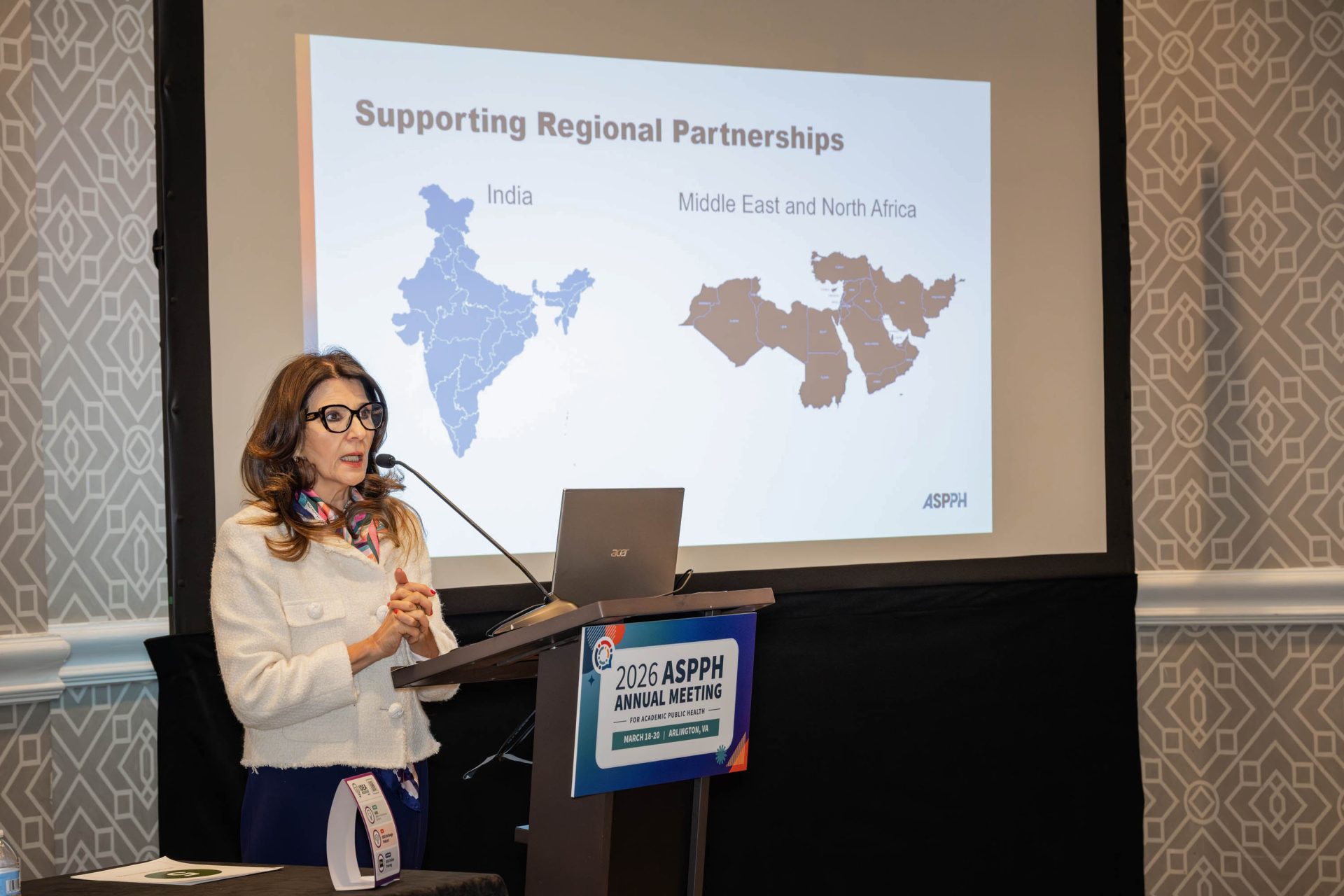
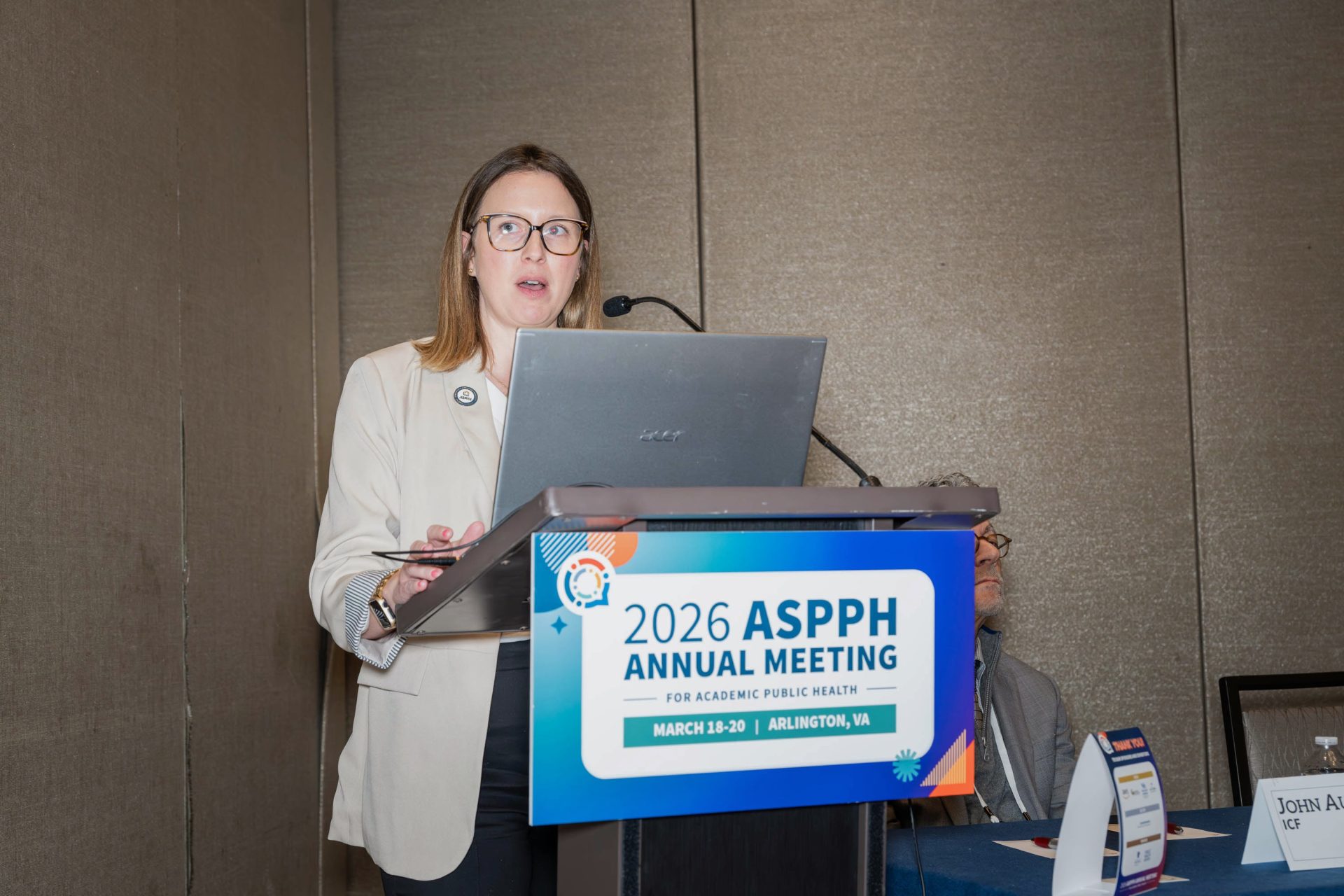
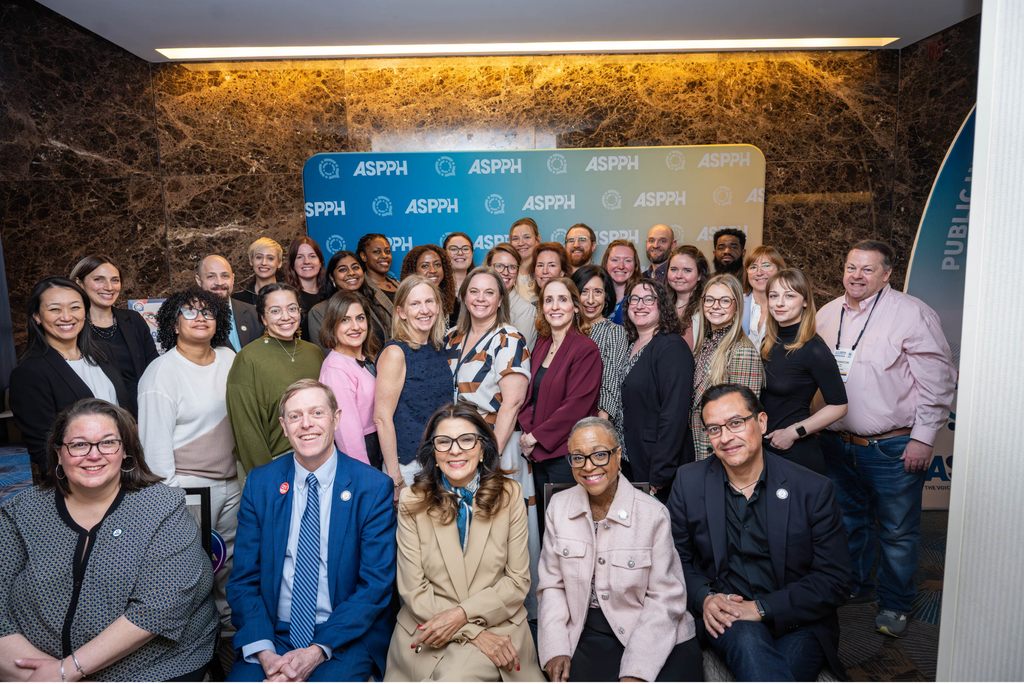
The 2026 ASPPH Annual Meeting for Academic Public Health brought together more than 800 attendees for three plenary sessions, 48 concurrent sessions, skill-building workshops, networking opportunities, and meetings of ASPPH Advisory Committees and Sections. More than 250 presenters contributed to conversations on public trust, effective communication, partnership, leadership, and health equity, making the meeting a dynamic forum for learning and connection across the field.
The 2026 ASPPH Annual Meeting for Academic Public Health brought together more than 800 attendees for three plenary sessions, 48 concurrent sessions, skill-building workshops, networking opportunities, and meetings of ASPPH Advisory Committees and Sections. More than 250 presenters contributed to conversations on public trust, effective communication, partnership, leadership, and health equity, making the meeting a dynamic forum for learning and connection across the field.

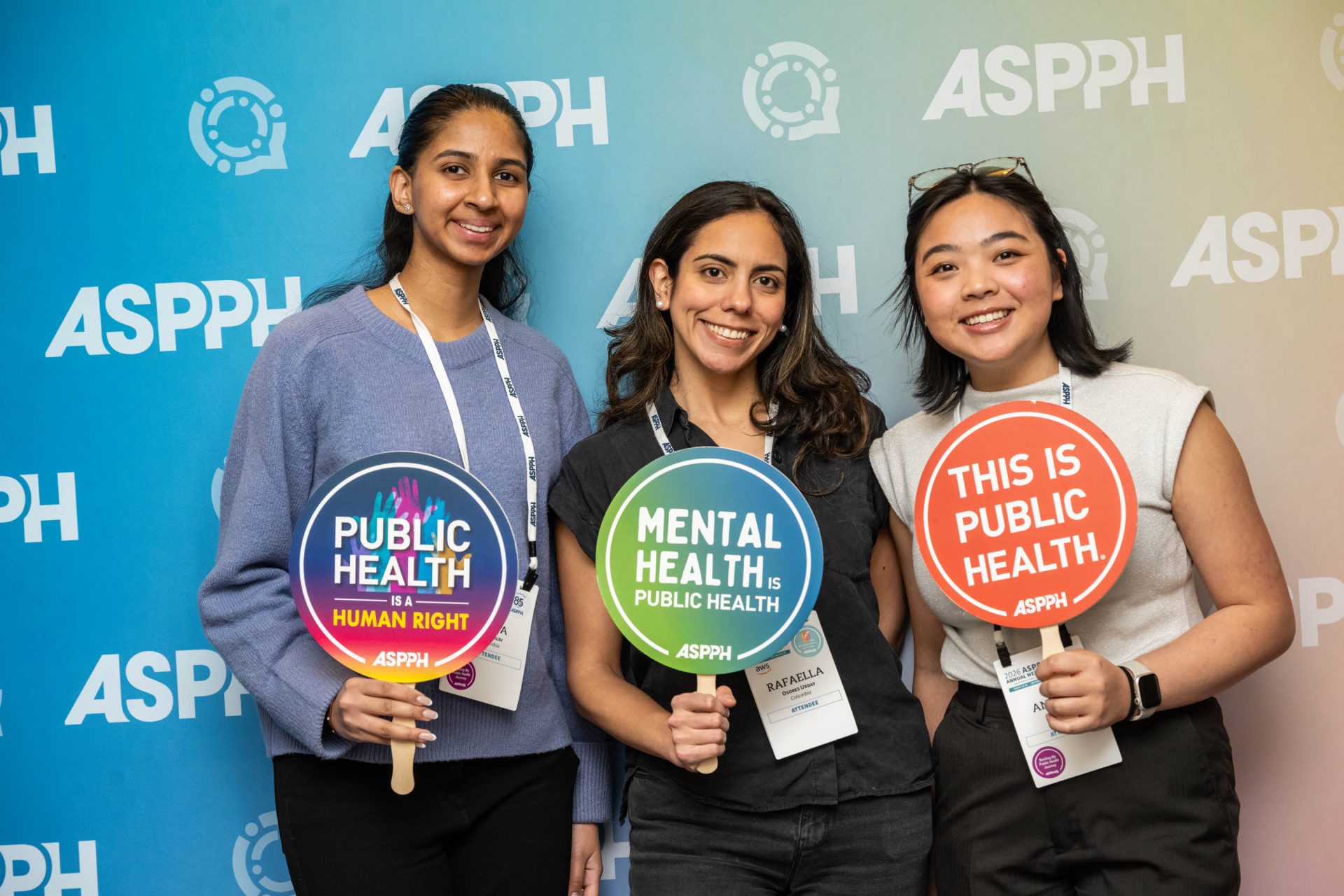

ASPPH also continued its Leadership Conversations series, providing deans and program directors with a trusted space for candid peer exchange on timely issues. Discussions addressed accreditation and professional degree designation, institutional sustainability and enrollment, artificial intelligence, population health partnerships, and leadership in a changing public health environment.
Leadership development remained a central priority through the Academic Public Health Leadership Institute (APHLI). The sixth cohort culminated in a three-day retreat at the Center for Creative Leadership in Colorado Springs, bringing the total number of participating deans, program directors, and senior leaders to 99. Through workshops, reflection, executive development, and cohort discussions, participants strengthened their strategic leadership skills while joining a growing network of peers across academic public health.
Additional opportunities for connection included the 2026 Sections Retreat in Bonita Springs, Florida, which convened members from eight ASPPH Sections to exchange promising practices and collaborate across disciplines. The retreat opened with a plenary on implementing ethical and responsible AI in academic public health. In July, the annual Leadership Retreat in Coronado, California, brought deans and program directors together to explore institutional resilience, public trust, advocacy, workforce readiness, research funding, accreditation, communication, and the future of higher education. Member-led roundtables created space for candid discussion and shared problem-solving.
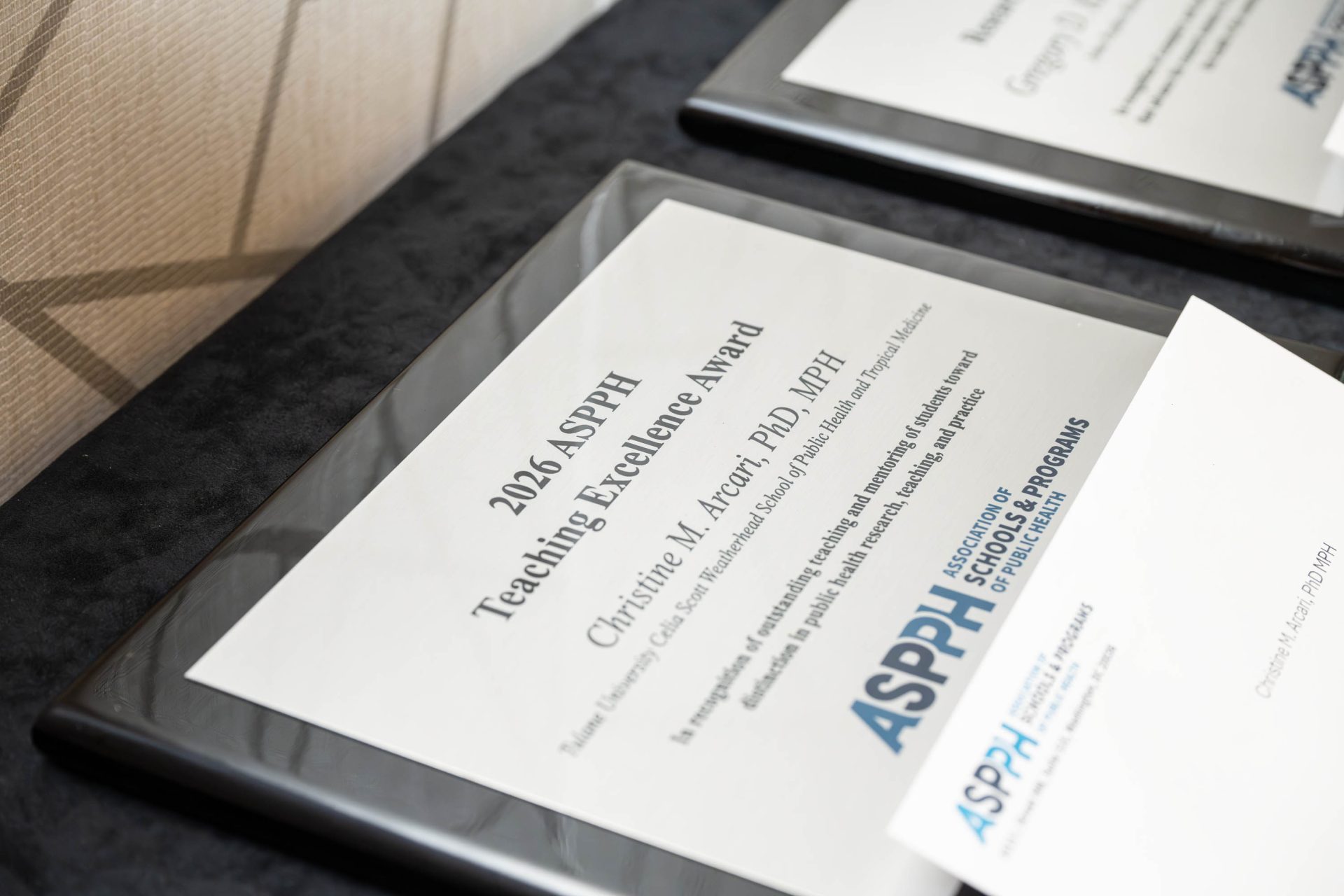
ASPPH also celebrated excellence across the community through its 2026 awards, recognizing individuals and institutions whose achievements in teaching, research, practice, student services, service, and community engagement are advancing academic public health.
Together, these programs strengthened the relationships, leadership capacity, and member-driven networks that enable ASPPH and its members to navigate change, share solutions, and advance the field collectively.
Each year, ASPPH recognizes individuals and institutions whose leadership, innovation, scholarship, teaching, service, and commitment are advancing academic public health. In FY 2026, ASPPH honored an outstanding group of recipients whose accomplishments demonstrate the depth and breadth of excellence across the community.

Christine M. Arcari, PhD, MPH
ASPPH Teaching Excellence Award

Denise Nelson-Hurwitz, PhD
Riegelman Award for Excellence in Undergraduate Public Health Education

Erica Whitiker Valenzuela, EdD, MA
ASPPH Student Services Excellence Award

Fan Li, PhD
ASPPH Early Career Research Excellence Award

Gregory D. Kirk, MD, MPH, PhD
ASPPH Research Excellence Award

Paul J. Fleming, PhD, MPH
ASPPH Practice Excellence Award

R. Tyler Derreth, PhD
ASPPH Early Career Teaching Excellence Award

Linda P. Fried, MD, MPH
ASPPH Welch-Rose Award for Excellence in Academic Public Health Service
Patricia A. Gabow, MD, MACP
ASPPH Welch-Rose Award for Distinction in Public Health
Indiana University Indianapolis Richard M. Fairbanks School of Public Health
ASPPH Harrison C. Spencer Award for Outstanding Community Service
In FY 2026, ASPPH continued to elevate the voice of academic public health during a consequential period for the field. Through communications, public programming, member engagement, advocacy, legal action, and coalition leadership, the Association worked to ensure that decision-makers and broader audiences understood both the value of academic public health and the challenges confronting it.
This work combined proactive storytelling with rapid response. ASPPH amplified member expertise, created platforms for timely dialogue, mobilized members around federal policy, and defended the resources and educational pathways that sustain public health research, training, and practice.
In FY 2026, ASPPH continued to strengthen its role as the voice of academic public health by finding new ways to share the work, expertise, and impact of our members and community. Our focus was not only on getting information out, but on creating more opportunities for people to connect with ASPPH and with each other.
The ASPPH Friday Letter remained an important way to stay connected with the academic public health community. Each week, it brings together ASPPH updates, member news and accomplishments, research, funding opportunities, events, and other information relevant to our network. With more than 8,800 subscribers, the Friday Letter continues to be an effective way to share what is happening across academic public health.
ASPPH Presents webinars also provided opportunities for members and the broader public health community to hear from experts, share ideas, and discuss timely issues in public health education, research, and practice. These webinars helped extend the reach of important conversations beyond individual events and brought members of our community together around issues that matter to the field.
“A few years ago, I had the opportunity to support mental health initiatives at Historically Black Colleges and Universities (HBCUs). Working alongside students, campus leaders, and community partners, our goal was to create opportunities for students to engage in conversations about mental health, wellness, and stigma reduction in ways that felt culturally relevant and authentic…”
We also continued to build our storytelling efforts through Public Health Stories, highlighting the people, ideas, and work that make academic public health so impactful. Across social media and other digital channels, we learned that audiences respond especially well to stories, educational content, and opportunities to engage with the community. This insight is helping us move beyond communications that are primarily focused on announcements and deadlines.
Digital visibility remains another important focus. During FY2026 Q3, ASPPH content appeared in Google Search more than 2.43 million times and generated 46,700 clicks, with strong interest in student resources, workforce development, AI, and other priority areas.
Looking ahead, we will continue to build on this work by putting our audiences at the center of our communication. This means telling more stories, creating more opportunities for engagement, and making it easier for people to find and connect with the resources, people, and ideas across the ASPPH community.
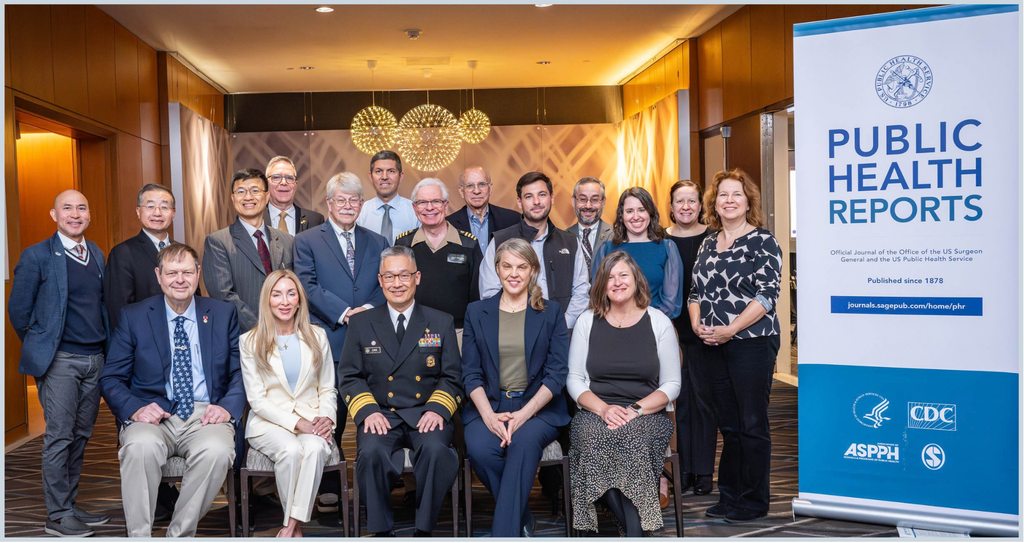
In 2026, ASPPH continued its longstanding commitment to advancing public health scholarship, practice, and education through its partnership with Public Health Reports (PHR), the official journal of the Office of the U.S. Surgeon General and the U.S. Public Health Service. As a leading peer-reviewed journal in the field, PHR provides an important platform for research, commentary, and practice-based insights addressing timely issues affecting public health and the communities it serves.
Throughout the year, ASPPH helped extend the reach and visibility of PHR by promoting new research, commentaries, and special content through ASPPH communications, including the Friday Letter, connecting members and the broader academic public health community with emerging evidence and perspectives.
A particular highlight for ASPPH members continued to be PHR’s From the Schools and Programs of Public Health department, which provides a dedicated forum for scholarship focused on academic public health. Articles address public health education, curriculum development, institutional change, student and faculty experiences, and emerging approaches to preparing the next generation of public health professionals.
As the leading voice of academic public health, ASPPH advocates for its members before Congress and federal agencies, working with the Advocacy Advisory Committee and Board to advance federal support for public health research, education, workforce development, and practice.
In FY 2026, ASPPH responded to significant policy challenges affecting academic public health, including efforts to exclude public health from the federal definition of professional degree programs, proposed changes to federal grantmaking rules, and threats to funding for core public health agencies.
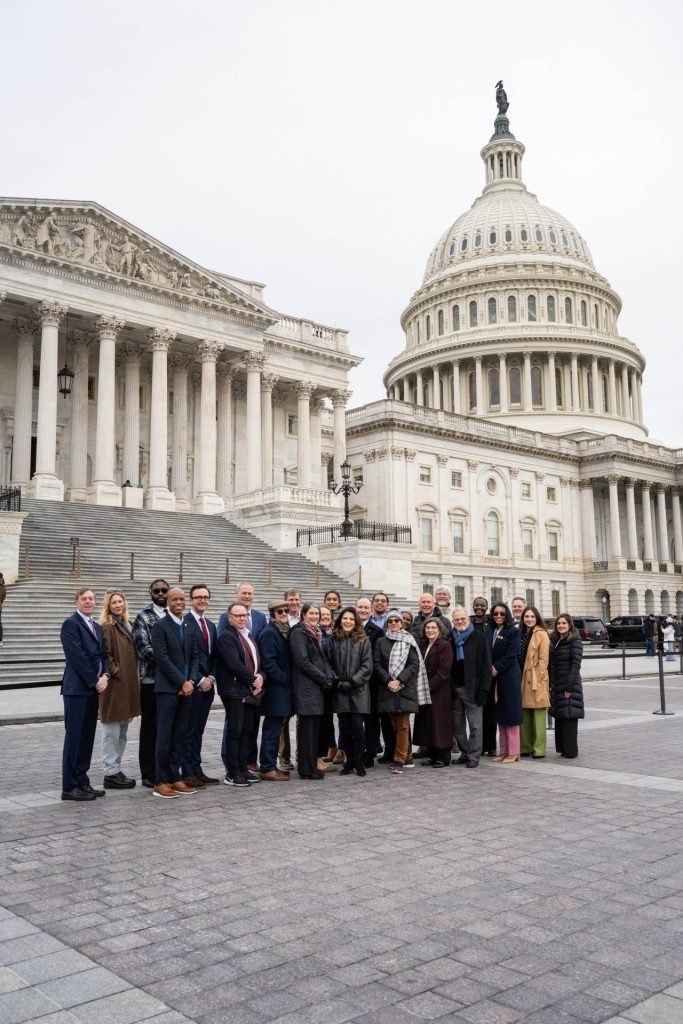
More than 50 representatives from ASPPH member institutions—including deans, faculty, students, and government relations professionals—participated in ASPPH’s annual Hill Day, meeting with policymakers in Washington, DC, to advance shared priorities. Members extended this engagement through District Advocacy Day by hosting members of Congress for campus visits and meeting with district and state office staff in their communities.
ASPPH also used strategic litigation to protect public health education and research. In partnership with Democracy Forward and other organizations, ASPPH challenged the Department of Education’s restrictive definition of “professional degree” programs. ASPPH also joined AAMC‘s successful legal challenge to NIH‘s proposed 15% cap on indirect research costs, helping protect critical investments in the nation’s research infrastructure.
Members were mobilized through targeted Voter Voice campaigns addressing the Department of Education’s RISE Rule, federal funding priorities, and the Office of Management and Budget‘s proposed changes to federal grantmaking. Over the year, 692 advocates participated in at least one campaign, representing an engagement rate of nearly 45% across ASPPH’s membership network.
ASPPH continued to advocate for sustained federal investment in NIH, CDC, HRSA, and other agencies and programs supporting public health research, education, workforce development, and practice. The Association also submitted public comments on the RISE Rule and proposed federal grantmaking changes, issued public statements, and joined coalition letters on issues affecting members and the broader public health community.
Through quarterly policy and advocacy updates offered as part of the ASPPH Presents Webinar Series, members received timely information on the evolving policy landscape, civic engagement, and effective advocacy strategies.
Finally, ASPPH strengthened its role as a convener and coalition leader. Through the HEP C Coalition, ASPPH supported bipartisan engagement that contributed to the introduction of federal hepatitis C legislation. Through the Advanced Professionals Workforce Alliance, ASPPH worked with partners to advocate for policies that strengthen the advanced professional workforce and the educational pathways that support it.
Sustaining ASPPH’s mission requires continued investment in the people, technology, partnerships, and systems that support members every day. In FY 2026, ASPPH strengthened its organizational foundation while expanding the digital services and infrastructure needed to operate effectively in a rapidly changing environment.
From welcoming new member institutions and staff to improving MyASPPH, cybersecurity, enterprise systems, and digital customer support, ASPPH focused on building a more connected, resilient, and member-centered organization prepared to serve academic public health for the years ahead.
ASPPH proudly welcomed five new member institutions in 2026, expanding the reach, expertise, and perspectives represented within our academic public health community.
Each new member strengthens ASPPH’s collective capacity to advance public health education, research, practice, and workforce development. We are pleased to welcome their faculty, staff, students, and leaders to the ASPPH community.
In FY 2026, amid continued disruption across the public health landscape, ASPPH moved from strengthening its foundation to expanding it by investing in the relationships and resources needed to advance academic public health for the future.
ASPPH developed a new partnership framework, establishing a consistent approach to defining and stewarding relationships with partner organizations and creating a clear foundation for turning shared priorities into shared investment. This strategy is already producing results, with sponsorship revenue growing by more than 20% over the prior year.
ASPPH also expanded its foundation support and is grateful to Dr. Richard Riegelman, whose generous commitment will advance global engagement and graduate education for years to come. In addition, ASPPH continued its collaboration with the Centers for Disease Control and Prevention, including the Disease Intervention Specialist program, which supports emerging professionals entering the public health workforce while connecting member institutions directly with frontline practice.
Together, these efforts reflect a deliberate strategy to expand ASPPH’s capacity by strengthening its relationships. Through partnerships, philanthropy, and federal collaboration, ASPPH is building the resources and connections needed to advance academic public health at the scale this moment requires.
In FY 2026, ASPPH translated organizational priorities and member needs into connected, scalable digital services that make it easier to access resources, participate in programs, and engage with the Association.
MyASPPH continued to evolve as the central digital destination for member benefits and services, institutional reporting, governance, and engagement. Enhancements included unified navigation with ASPPH.org, new homepage calls to action, and expanded forms and tools supporting leadership nominations, the Academic Public Health Leadership Institute, Leadership Retreat, student recruitment, TIPH graduate school fairs, Institutional Reporting and Research, and annual SOPHAS-related cycles.
Institutional reporting improvements also made data collection more efficient. A new Reporting Support Center provides searchable instructions, definitions, and resources, while a configurable Supplemental Data Collection builder allows additional reporting activities to take place directly within MyASPPH rather than through separate survey platforms.
ASPPH also expanded its portfolio of mission-driven digital resources. The team launched an interactive version of the AI Task Force report, expanded the AI for Public Health web presence, and supported the IDEA Exchange podcast, AI Roundtable Series, and AI-focused eLearn resources. ARIE, ASPPH’s AI Resource for Institutional Excellence, gained web-crawling capabilities to provide access to more timely and relevant content. New interactive workforce resources also connect the Public Health Workforce Job Task Analysis with the public health body of knowledge, CEPH criteria, and core competencies, helping institutions better align education and training with workforce needs.
Improvements to ASPPH.org included redesigned navigation, a rebranded Newsroom, strengthened Annual Meeting, Membership, and Undergraduate Network content, and enhanced search engine and answer engine optimization. Continued accessibility, usability, security, and maintenance improvements helped ensure ASPPH’s platforms remain inclusive, reliable, and easy to navigate.
This year, ASPPH translated organizational priorities and member needs into connected, scalable digital services that make it easier to access resources, participate in programs, and engage with the Association.
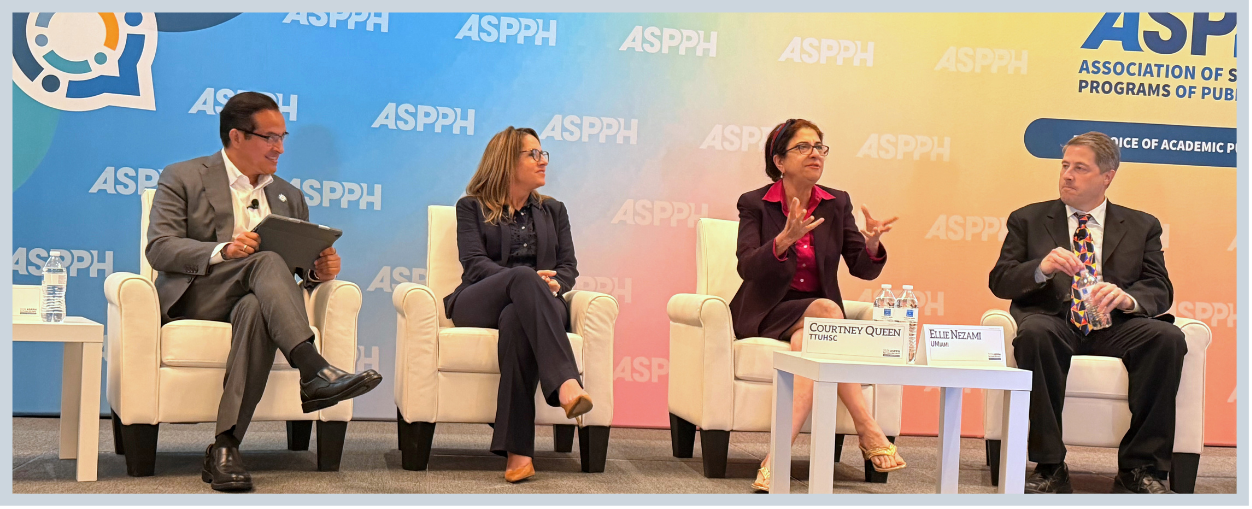

Behind ASPPH’s member-facing digital services, the organization continued to strengthen the technology infrastructure, security practices, and enterprise systems that power programs and operations.
Key infrastructure improvements included upgrades to database and cloud storage systems, expanded authentication capabilities, and ongoing maintenance of ASPPH’s core applications. An AWS Well-Architected Review and continued alignment with the National Institute of Standards and Technology Cybersecurity Framework supported stronger security, reliability, performance, and resilience while helping ASPPH proactively identify and address risk.
ASPPH also modernized enterprise systems by launching role-based Salesforce applications for divisions and departments. These applications provide staff with more relevant data, workflows, and dashboards, enabling faster and more coordinated service to members while advancing ASPPH’s Member 360 strategy.
To support successful adoption of new tools, ASPPH expanded digital customer success practices through onboarding, release communications, documentation, training, feedback opportunities, and cross-functional engagement. The Digital Innovation team also provided technology planning, infrastructure, and support for the ASPPH Annual Meeting, Sections Retreat, APHA activities, and other key programs.
Together, these investments strengthened the digital foundation behind ASPPH’s programs and services, enabling members to connect, contribute, access critical resources, and more effectively advance their work across academic public health.
In 2026, ASPPH welcomed several new team members, bringing fresh perspectives, deep expertise, and a shared commitment to advancing academic public health. These strategic hires strengthened our ability to fulfill our mission, support our members, and position the organization for sustained success.
These additions have strengthened our capacity to support member institutions and advance initiatives across public health education, research, and practice. ASPPH remains committed to investing in organizational excellence and attracting talented individuals who share our dedication to advancing academic public health.
This year, ASPPH expanded staff capacity across several critical areas, welcoming three new hires. These included a new grant-funded internship position within the IDEA Institute, as well as new team members filling existing roles in Communications and Student Pathways.
As ASPPH marks 85 years of leadership, collaboration, and impact, FY 2026 offers a powerful reminder that the strength of academic public health comes from its ability to evolve while remaining grounded in a shared mission.
This year, ASPPH and its members translated frameworks into action, expanded pathways into the workforce, strengthened education and leadership, advanced responsible innovation, and stood together in defense of public health research, training, and practice. Across classrooms, campuses, communities, government, and global partnerships, our members continued to demonstrate the reach and relevance of academic public health.
The challenges facing our field remain significant, but so does our collective capacity to respond. The progress reflected in this report was made possible by the expertise, partnership, and persistence of ASPPH members, volunteers, partners, supporters, and staff.
Grounded in the ASPPH Strategic Plan 2030 and informed by 85 years of experience, we look ahead with a clear commitment: to strengthen academic public health, support the people and institutions that power it, and continue working together toward improved health and well-being for everyone, everywhere.
Edith Parker
Chair
Iowa
Cynthia Harris
Chair-Elect
FAMU
Hilary Godwin
Immediate Past Chair
Washington
Ali Khan
Secretary/Treasurer
UNMC
Lisa Benz Scott
StonyBrook
Bernadette Boden-Albala
UC Irvine
Marsha Davis
Georgia
Daniele Fallin
Emory
Shawn Gibbs
Texas A&M
Ashish Joshi
Memphis
Boris Lushniak
Maryland
Rodney Lyn
Georgia State
Nancy Messonnier
UNC
Melinda Pettigrew
Minnesota
Brad Pollock
UC Davis
A.T. Still University College of Graduate Health Studies
American University of Beirut – Faculty of Health Sciences, Graduate Public Health Program
Andrews University Public Health Program
Arizona State University School of Technology for Public Health MPH Program
Augusta University School of Public Health
Azusa Pacific University
Baylor University Public Health Program
Binghamton University SUNY Public Health Program
Boston University School of Public Health
Brown University School of Public Health
California State University – Long Beach Public Health Program
Campbell University Master of Science in Public Health Program
Case Western Reserve University MPH Program
Charles R. Drew University of Medicine and Science MPH Program in Urban Public Health
Claremont Graduate University
Colorado School of Public Health
Columbia University Mailman School of Public Health
Consortium of Eastern Ohio Master of Public Health Program
Cornell University Public Health Program
Creighton University MPH Program
CUNY Graduate School of Public Health and Health Policy
Dartmouth – Geisel School of Medicine Graduate Programs
DePaul University Master of Public Health Program
Des Moines University Department of Public Health
Drexel University Dornsife School of Public Health
East Carolina University – Brody School of Medicine Graduate Programs in Public Health
East Tennessee State University College of Public Health
Emory University Rollins School of Public Health
Ensign Global University, MPH Program
Florida A&M University Public Health Program
Florida International University Robert Stempel College of Public Health and Social Work
George Mason University College of Public Health
George Washington University Milken Institute School of Public Health
Georgia Southern University Jiann-Ping Hsu College of Public Health
Georgia State University School of Public Health
Harvard T.H. Chan School of Public Health
Icahn School of Medicine at Mount Sinai, Graduate Programs in Public Health and Health Administration
Idaho State University MPH Program
Indiana University Fairbanks School of Public Health in Indianapolis
Indiana University School of Public Health – Bloomington
Johns Hopkins Bloomberg School of Public Health
Johnson & Wales University MPH Program
Joint School of Public Health at Old Dominion University and Norfolk State University
Kent State University College of Public Health
La Salle University Public Health Program
Loma Linda University School of Public Health
Louisiana State University Health Sciences Center School of Public Health
Louisiana State University-Shreveport/Louisiana State University Health Sciences Center-Shreveport
Loyola University Chicago Parkinson School of Health Sciences and Public Health, Public Health Programs
Massachusetts College of Pharmacy and Health Sciences MPH Program
Meharry Medical College Department of Public Health
Mercer University Department of Public Health
Michigan State University MPH Program
Morehouse School of Medicine MPH Program
National Institute of Public Health of Mexico (Instituto Nacional de Salud Pública)
National Taiwan University College of Public Health
New York Medical College, School of Health Sciences and Practice, and Institute of Public Health
New York University School of Global Public Health
North Dakota State University Department of Public Health
Northeastern University MPH Program
Northern Arizona University Master of Public Health Program
Northwestern University Feinberg School of Medicine Program in Public Health
Ohio State University College of Public Health
Oregon Health & Science University/Portland State University School of Public Health
Oregon State University College of Health
OU Health Hudson College of Public Health
Pennsylvania State University Public Health Program
Purdue University Department of Public Health
Qatar University – College of Health Sciences Public Health Program
Rollins College MPH Program
Rutgers School of Public Health
Sacred Heart University Master of Public Health Program
Saint Louis University College for Public Health and Social Justice
San Diego State University School of Public Health
St. George’s University Department of Public Health and Preventive Medicine
Stony Brook University Program in Public Health
SUNY Downstate School of Public Health
SUNY Upstate Medical University Public Health Program
Syracuse University Maxwell School of Citizenship and Public Affairs
Temple University College of Public Health
Texas A&M School of Public Health
Texas Tech University Health Sciences Center, Julia Jones Matthews School of Population and Public Health
The College of New Jersey MPH Program
Thomas Jefferson University, College of Population Health – MPH Program
Touro University – California MPH Program
Tufts University School of Medicine, Public Health Program
Tulane University Celia Scott Weatherhead School of Public Health and Tropical Medicine
UC Irvine Joe C. Wen School of Population & Public Health
UCLA Jonathan and Karin Fielding School of Public Health
Uniformed Services University of the Health Sciences Public Health Program
University at Albany College of Integrated Health Sciences
University at Buffalo School of Public Health and Health Professions
University of Alabama at Birmingham School of Public Health
University of Arizona Mel and Enid Zuckerman College of Public Health
University of Arkansas for Medical Sciences Fay W. Boozman College of Public Health
University of California Davis Public Health Program
University of California, Berkeley School of Public Health
University of California, Riverside School of Medicine
University of Chicago MPH Program
University of Cincinnati College of Medicine MPH Program
University of Delaware Public Health Program
University of Florida College of Public Health and Health Professions
University of Georgia College of Public Health
University of Hawai’i at Mānoa Department of Public Health Sciences
University of Hong Kong School of Public Health
University of Illinois at Chicago School of Public Health
University of Illinois at Urbana-Champaign College of Applied Health Sciences
University of Iowa College of Public Health
University of Kansas School of Medicine KU – MPH Program
University of Kentucky College of Public Health
University of Louisville School of Public Health and Information Sciences
University of Maryland School of Medicine Public Health Programs
University of Maryland School of Public Health
University of Massachusetts Amherst School of Public Health and Health Sciences
University of Massachusetts Lowell Department of Public Health
University of Memphis School of Public Health
University of Miami Department of Public Health Sciences
University of Michigan School of Public Health
University of Minnesota School of Public Health
University of Missouri – Columbia Department of Public Health
University of Nebraska Medical Center College of Public Health
University of Nevada, Reno School of Public Health
University of New England Graduate Program in Public Health
University of New Mexico College of Population Health
University of North Carolina at Charlotte Public Health Programs
University of North Carolina Gillings School of Global Public Health
University of North Dakota Master of Public Health Program
University of Pennsylvania Master of Public Health Program
University of Pittsburgh School of Public Health
University of Puerto Rico Graduate School of Public Health
University of Puget Sound Public Health Program
University of Rochester Graduate Public Health Programs
University of San Francisco MPH Program
University of South Carolina Arnold School of Public Health
University of South Florida College of Public Health
University of Southern California Programs in Public Health
University of Texas Medical Branch Health Galveston
University of Texas Southwestern Medical Center O’Donnell School of Public Health
University of Utah Division of Public Health
University of Vermont Larner College of Medicine Public Health Program
University of Virginia MPH Program
University of Washington School of Public Health
University of Wisconsin-Milwaukee Zilber College of Public Health
UNT Health Fort Worth Department of Public Health
UTHealth Houston School of Public Health
Vanderbilt University Institute for Medicine and Public Health
Virginia Commonwealth University School of Public Health
Virginia Tech Public Health Program
Walden University College of Health Sciences and Public Policy
Washington University in St. Louis Bursky School of Public Health
West Virginia University School of Public Health
Wright State University MPH Program
Yale School of Public Health
Federation of Associations of Schools of the Health Professions (FASHP)