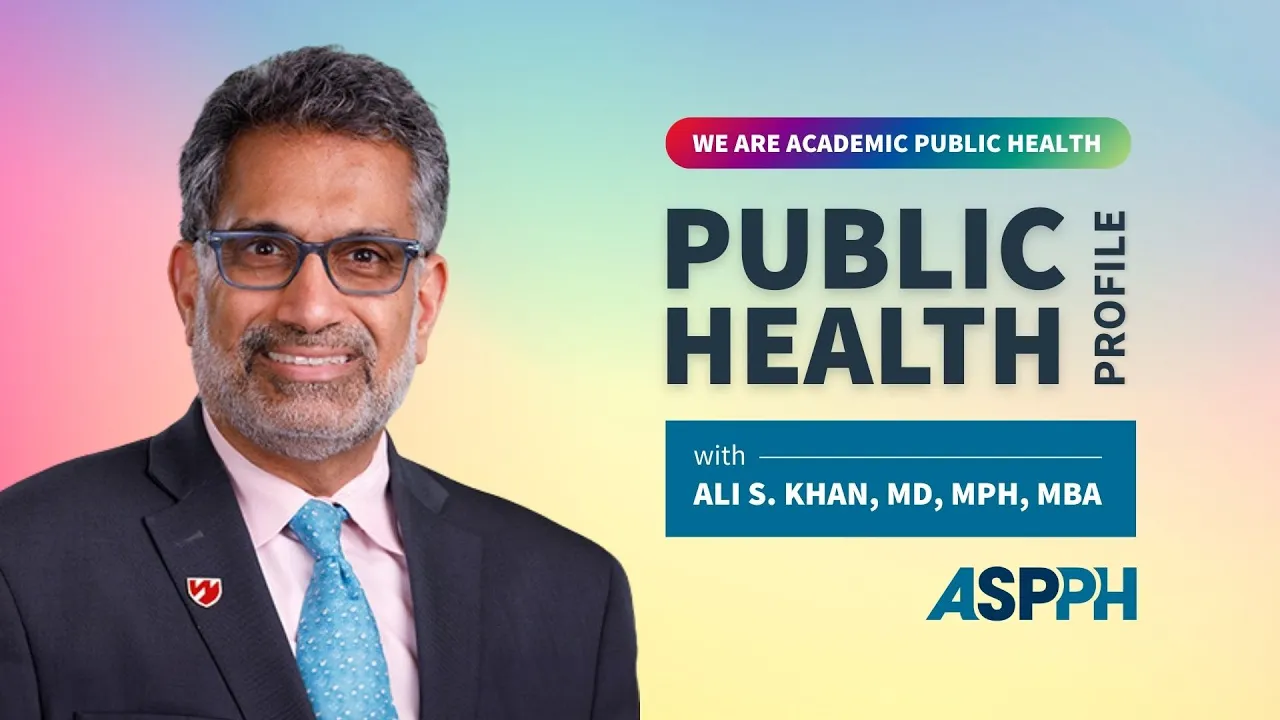
I chose public health because I have always believed that everyone deserves the opportunity to live a healthy life, regardless of their background, zip code, or circumstances. What drew me to the field was the idea that health is shaped by much more than medical care alone. Public health offered an opportunity to address the systems, environments, and social conditions that influence health every day.
After earning my degree in Public Health from Temple University, I began my career working in behavioral health and health equity. While I learned something valuable in every role, one experience stands out as a defining moment in my career.
A few years ago, I had the opportunity to support mental health initiatives at Historically Black Colleges and Universities (HBCUs). Working alongside students, campus leaders, and community partners, our goal was to create opportunities for students to engage in conversations about mental health, wellness, and stigma reduction in ways that felt culturally relevant and authentic.
What I remember most was not the planning meetings, presentations, or logistics. It was listening to students share their experiences. Many talked about the pressure of being high achievers, navigating family expectations, balancing academics, and managing challenges they often felt they had to face alone. Some shared that they had never participated in a space where mental health was discussed openly and without judgment.
One student shared how meaningful it was to finally see mental health conversations happening in a space that reflected their culture, experiences, and identity. In that moment, I was reminded that public health is not just about programs or policies. It is about people. It is about creating environments where individuals feel supported, valued, and connected to the resources they need to thrive.
That experience reinforced why I chose public health in the first place. It showed me that meaningful change happens when communities are included in the conversation and when solutions are built with the people they are intended to serve.
Since then, my career has evolved into other areas of public health, including environmental health and air quality, but the lesson has stayed with me. Whether I am working on mental health, health equity, or environmental issues, the goal remains the same: improving the conditions that allow people and communities to live healthier lives.
If I could offer advice to future public health professionals, it would be this: never lose sight of the people behind the data. The reports, statistics, and outcomes matter, but the true impact of public health is found in the lives we touch and the communities we serve. Listen first, stay curious, and remember that some of the most important work you will do begins with understanding the experiences of others.
My career has taught me that public health is ultimately about creating opportunities for people to thrive. The privilege of helping make that possible is what continues to inspire me every day.