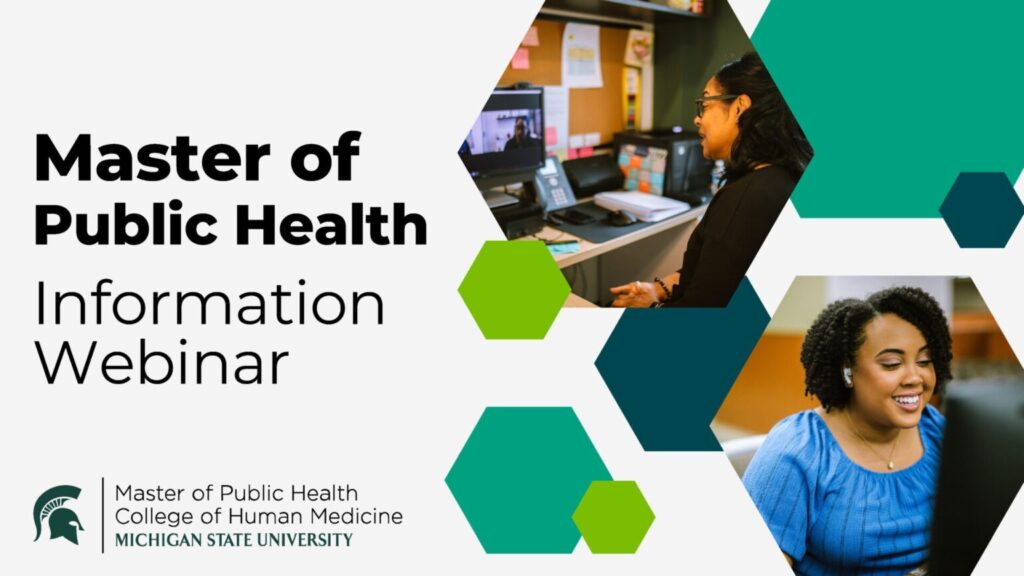
Join us for an insightful webinar on Community Assessment and Partnerships, featuring a presentation from Dr. Marybeth (MB) Mitcham, Director of the Online MPH Program and Assistant Professor in the
Join the Region 2 Public Health Training Center for this 4-part webinar series. Heather Krasna, PhD, Associate Dean of Career Services and Professional Development at Columbia University School of Public
Join the Region 2 Public Health Training Center for this 4-part webinar series. Heather Krasna, PhD, Associate Dean of Career Services and Professional Development at Columbia University School of Public
Join the Region 2 Public Health Training Center for this 4-part webinar series. Heather Krasna, PhD, Associate Dean of Career Services and Professional Development at Columbia University School of Public
Meet with the Tufts University School of Medicine Public Health Admissions team to learn the best tips and tricks to make the most of your Public Health application! Learn what
Join the Master’s in Public Health Admissions Team as they explore all the possibilities to pursue Public Health at Tufts University School of Medicine. Learn about our concentrations, dual degrees,
A key feature of the Master of Public Health program is the emphasis on applied knowledge. Students who enter our program are engaged in coursework and practical training to obtain
A key feature of the Master of Public Health program is the emphasis on applied knowledge. Students who enter our program are engaged in coursework and practical training to obtain
A key feature of the Master of Public Health program is the emphasis on applied knowledge. Students who enter our program are engaged in coursework and practical training to obtain
A key feature of the Master of Public Health program is the emphasis on applied knowledge. Students who enter our program are engaged in coursework and practical training to obtain