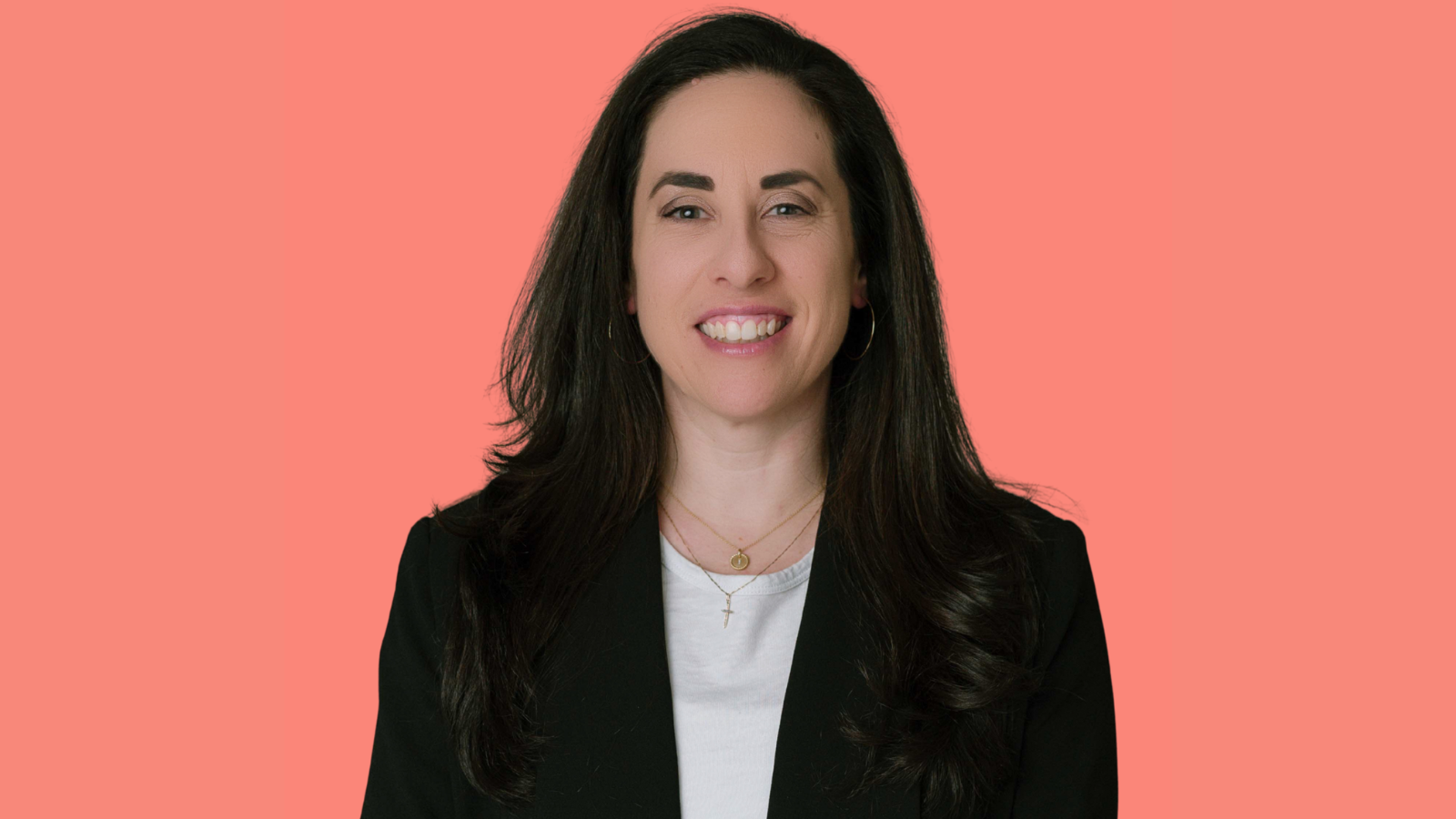
I did not come to maternal health advocacy because I planned to work in public health. I came to it because I fell through the gaps myself. After a traumatic birth, I developed postpartum preeclampsia. My symptoms were initially missed, and seven days after giving birth, I was readmitted to the hospital. In the months that followed, I struggled with postpartum depression and anxiety that went undiagnosed at my six-week postpartum visit. It took approximately six months for me to finally get the help I needed. For a long time, I thought about those experiences primarily as things that had happened to me.
Eventually, I started asking a different question. Why did they happen? Why was I so unprepared for what could happen to my body and mental health after childbirth? Why did I know so much about birthing positions and breathing techniques, yet so little about postpartum complications and recovery? Why could I move through multiple points of healthcare without anyone recognizing how much I was struggling?
Those questions led me into years of research about maternal health and eventually to writing my research-backed memoir, The Alchemy of Motherhood: Unspoken Truths of Birth Trauma and the Postpartum Journey. The more I learned, the clearer it became that my experience was about more than what happened inside individual exam rooms, it was also about public health, and the systemic gaps in maternal healthcare.
Maternal health depends on what happens between those exam rooms: whether mothers receive meaningful education before they leave the hospital, whether they understand urgent maternal warning signs, whether mental health screening leads to follow-up, whether clinicians know about community resources, whether referrals actually connect mothers to care, and whether public health agencies, healthcare systems, and community organizations are working together.
That realization changed the direction of my work. I created Perinatal Education and Advocacy LLC. Through maternal health education and advocacy, I work to address three gaps I repeatedly see in maternal care, which are how we prepare mothers, how we educate healthcare professionals, and how we implement the resources and programs that already exist. The last of those has become especially important to me.
A community can have an excellent maternal health program, but it cannot help a mother who does not know it exists. A hospital can provide warning-sign education, but it cannot protect a mother if she does not understand when or how to seek help. A mother can screen positive for a mental health condition, but screening alone cannot treat her. Public health helps build the infrastructure connecting those pieces.
That is why protecting public health programs, professionals, and funding matters. Public health is not always something families recognize as part of their healthcare. Much of its work happens behind the scenes from gathering data, identifying disparities, educating communities, connecting people with services, developing prevention programs, supporting local organizations, to building partnerships across systems.
When those connections are weak or disappear, individuals are often left to navigate the gaps themselves, and I know what that feels like. My experience also taught me why mothers themselves need to be part of conversations about maternal health policy and program design. A system can look comprehensive on paper while feeling almost impossible to navigate from the other side. Data can tell us whether a program exists or whether a screening occurred, but lived experience can help tell us what happened next.
Today, I bring both perspectives to my work: research and lived experience. I speak with healthcare organizations, public health agencies, community groups, policymakers, mothers, and other maternal health advocates about the gaps that remain in maternal care and what it would take to close them. My goal is not to create more information or more programs. It is to make sure mothers can actually reach and benefit from the knowledge, care, and resources that are already intended to support them. My story began with falling through those gaps, now my work is about closing them.