
• MyASPPH
  • Friday Letter
  • Contact Us

Main Navigation

Association of Schools and Programs of Public Health (ASPPH)
About
About ASPPH ASPPH Strategic Plan 2030 Message From Our President & CEO Governance Staff Directory Careers Annual Reports Partner Organizations
Sponsor
Become a Sponsor Donate
Contact Us MyASPPH Login  
What We Do
Explore What We Do
Lead Innovation
IDEA Exchange Podcast
Meet Arie
Advocate for Public Health
Policy Statements
Policy & Advocacy Efforts
Voting is Public Health
FY 27 Funding Priorities
Public Health Is a Professional Degree
Support Public Health Students
Explore Public Health
Decide to Study Public Health
Apply to Graduate School
Finance Your Degree
Find Your Career
Life-Long Learning
Get Involved in TIPH
Educate Academic Public Health
Accreditation
Scholarship of Teaching & Learning
Framing the Future
Practice Public Health
Center for Public Health Workforce Development
Academic and Practice Partnerships
ASPPH as a Tribal Health Partner
Credentialing and Continuing Education
Applied Learning and Training
Workforce Research
Conduct Public Health Research
Institutional Research
Published Research
Member Research
Public Health Reports  
Covid-19 Storytelling  
Opioid Crisis
Population Health  
Initiatives
View All Initiatives
AI for Public Health

ASPPH is on the front lines of AI in academic public health, ensuring our field has a seat at the table in the discussion about how it can be developed, governed, applied, and taught.

Climate Change & Health

We advance strategic collaborations, curriculum development, and global engagement to strengthen the academic public health response to climate change’s impact on health.

Framing the Future

Framing the Future builds a resilient education system that centers science, health equity, and real-world practice to prepare graduates with strong public health skills.

Global Action

At ASPPH, we believe that there is an urgent need for cross-border action to tackle shared challenges, including pandemics, climate change, chronic disease, and health equity.

Gun Violence Prevention

We work to address and end gun violence as a public health crisis by advocating for research funding, spotlighting academic solutions, and engaging with national leaders.

Healthy Longevity

ASPPH is redefining aging not as a burden, but as a societal opportunity, highlighting the role of public health in promoting healthy longevity through prevention and system-wide change.

Transforming Academia For Inclusive Excellence

We are reimagining public health education to be inclusive, accessible, and publicly engaged by preparing institutions to meet community needs and future workforce demands.

Student Journey
Start Your Student Journey

Find Your Public Health Calling

Find your passion and compare accredited public health degree programs by location, specialization, degree type, or keyword with ASPPH’s Academic Program Finder.

Learn More

Start Your Public Health Student Journey Today

Simplify your journey by submitting one application to multiple ASPPH-member public health programs through SOPHAS, the centralized graduate admissions platform.

Apply Today
Student Journey
Explore Public Health
Decide to Study Public Health
Degrees
Common Areas of Study
All Areas of Study
Apply to Graduate School
10 Things to Know Before You Apply
Start Your Application (SOPHAS)
Finance Your Degree
Life-Long Learning
Ambassadors
Innovation Lab
Find Your Career
Public Health Jobs  
Get Involved in TIPH
Membership
Explore Membership

Member Resources in MyASPPH

My Profile

My Institution

Institutional Research

My Discussions

Messaging Guide

Login or request an account today!
Member Directory
Engagement Groups
Undergraduate Network
Undergraduate Network Directory
Professional Development
Awards
Funding Opportunities
News & Insights
View All News & Insights

Connect with A Vast Network of Experts

ASPPH can offer the media direct access to over 103,000 public health experts within our extensive network of members. Learn how to connect with our diverse membership.

Learn More

Sign up For Our Weekly Friday Letter Newsletter

Read and sign up to receive our long-running Friday Letter newsletter that has the latest ASPPH news, research developments, funding opportunities, member
updates, and more.

Learn More
Media Mentions
Members in the News
Public Health Stories
Misinformation & Disinformation
Friday Letter
Submit Newsletter Article
Academic Public Health Perspectives
Events
View All Events

Thank You For Joining Us!

Thank you to our speakers, attendees, sponsors, and exhibitors for making this year’s meeting a success. It was a truly memorable event – stay tuned for more details about the 2027 Annual Meeting.

Learn More

Explore Academic Public Health Events

Browse ASPPH and member events, including meetings, retreats, webinars, and student recruitment opportunities that bring the public health community together.

Learn More
Upcoming Events
ASPPH Annual Meeting
Sections Retreat
Leadership Retreat
Undergraduate Network Leaders Retreat
ASPPH Presents Webinar Series
Student Recruitment Events
Event Submission
Resources
View All Resources


Explore Resources

Discover ASPPH branding and messaging resources, including guides, toolkits, and communication tools to support public health advocacy, outreach, and communications.

Learn More
Branding & Toolkits
Logo Usage
ASPPH Messaging Guide
This Is Public Health
Mental Health is Public Health
I Heart Public Health
Voting is Public Health
Public Health Thank You Day
Institutional Research
Receiving ASPPH Communication
Publications and Reports  

Home > News > Newsroom >

Hepatitis C Elimination Coalition Applauds Senators Cassidy and Van Hollen for Introducing Historic Legislation to Eliminate Hepatitis C  

June 4, 2025

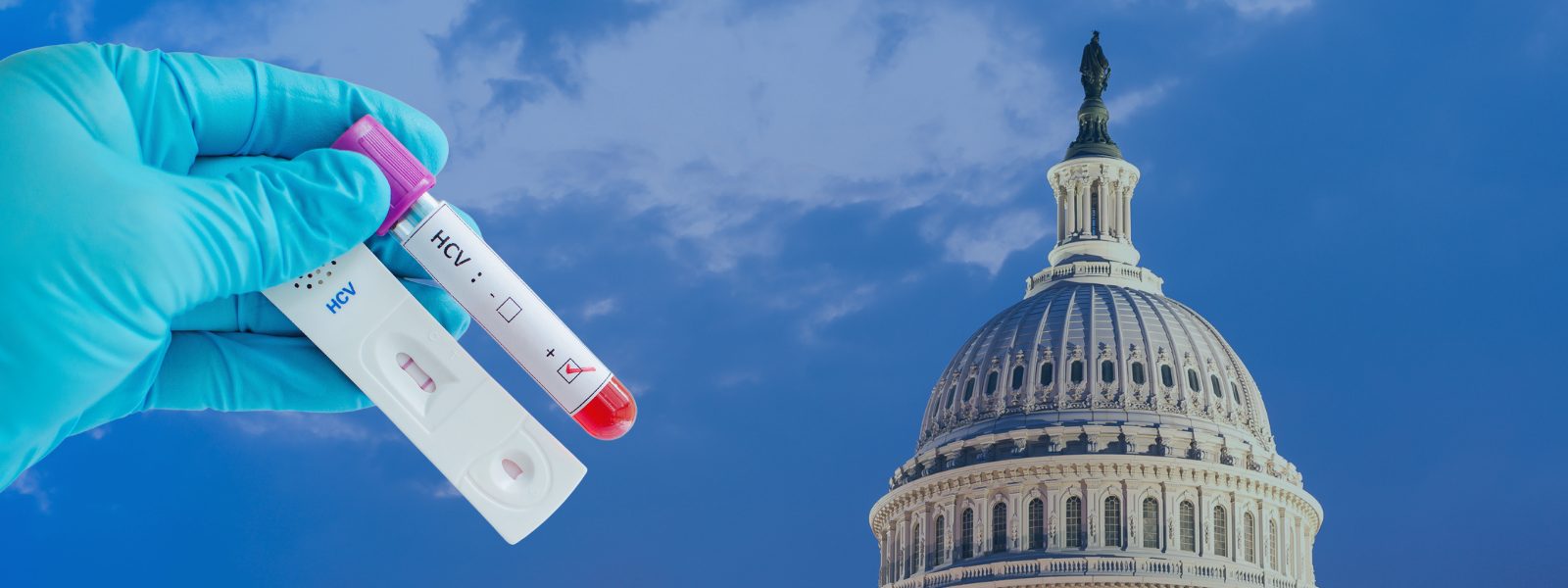
(Washington, DC)—The Hepatitis C Elimination Coalition commends Senators Bill Cassidy (R-LA) and Chris Van Hollen (D-MD) for their bipartisan leadership in introducing the Cure Hepatitis C Act of 2025, landmark legislation that lays the foundation for eliminating hepatitis C in the United States.

This bold proposal directs the Department of Health and Human Services to establish a national Hepatitis C Elimination Program, deploy a unified strategy to reach vulnerable populations, and implement a subscription model to deliver treatments that cure hepatitis C without cost-sharing to those most affected by the disease, including individuals in Medicaid, correctional facilities, Indian Health Service, and the uninsured. Originally pioneered in Louisiana, several states, including Washington and Texas, have adopted similar approaches and made a great deal of impact in reducing the number of people with hepatitis C. But the best way for this opportunity to reach all Americans is through a national program.

“This bill is the most significant federal action ever taken to end the hepatitis C epidemic in the U.S.,” said Tim Leshan, spokesperson for the Hepatitis C Elimination Coalition. “Senators Cassidy and Van Hollen have shown remarkable foresight in crafting a pragmatic, evidence-based plan that will save lives and save taxpayers money.”

Hepatitis C is a liver infection caused by the hepatitis C virus (HCV), which is spread primarily through contact with infected blood. While many people living with hepatitis C show no symptoms for years, the disease can cause severe liver damage, including cirrhosis and liver cancer, if left untreated. It is a major public health concern, particularly among underserved populations, due to persistent barriers to testing, diagnosis, and access to curative treatments. The disease contributes significantly to preventable deaths and health care costs nationwide.

The Congressional Budget Office has said the bill will save the federal government approximately $7 billion over 10 years due to reduced costs of treating people with complications from hepatitis C. This finding means that savings to federal expenditures in Medicare and Medicaid substantially exceed the $5.5 billion authorized in the bill for a subscription model and $4.2 billion to expand access to screening, treatment, and services to support hepatitis C elimination. The Legislation will also empower state and local public health systems, community health centers, opioid treatment programs, and correctional facilities to build lasting infrastructure, scale up existing prevention programs, and integrate hepatitis C services into their work.

According to the Centers for Disease Control and Prevention (CDC), hepatitis C affects more than 2.4 million people – and as many as 4 million people – in the United States, many of whom remain undiagnosed or face barriers to treatment. If passed, this bill could make hepatitis C the first chronic infectious disease eliminated in our country. For every one million people cured of hepatitis C in the next ten years, 34,000 cases of liver cancer, 2,500 liver transplants, and 24,000 deaths can be prevented.

The Hepatitis C Elimination Coalition urges Congress to act swiftly to pass the Cure Hepatitis C Act.

“We look forward to working with Senators Cassidy and Van Hollen, Congressional Leadership, federal agencies, and public health leaders across the nation to ensure that no one is left behind in the fight against hepatitis C,” added Leshan.

The Hepatitis C Elimination Coalition held a special Congressional Briefing on the national effort to eliminate this devastating disease on Tuesday, June 10, from 10:00 AM – 11:30 AM ET.

About the Hepatitis C Elimination Coalition

The Coalition is a national alliance of patients, clinicians, advocates, and public health organizations committed to ending hepatitis C (See attached list of members).

Media Contact:

Tim Leshan, MPA
Chief External Relations and Advocacy Officer
Association of Schools and Programs of Public Health
tleshan@aspph.org
202-296-1099 ext. 132

OTHER STATEMENTS:

New ASPPH Economic Impact Report Warns of Setbacks to Public Health Progress Amid Federal Budget Cuts

May 20, 2025

The Association of Schools and Programs of Public Health (ASPPH) released a new report today, Broken Lifelines: The Economic Consequences of Defunding Academic Public Health, detailing the far-reaching impacts of 2025 federal funding cuts on public health infrastructure, research institutions, workforce development, and the broader US economy.


ASPPH Statement on the President’s FY26 “Skinny” Budget

May 5, 2025 

The Trump Administration’s Fiscal Year 2026 (FY26) “skinny” Budget Request poses a significant threat to the health and well-being of all Americans, as well as to the nation’s leadership in science and innovation. ASPPH expresses deep concern over the proposed funding reductions and structural changes, which risk undermining decades of progress in public health, biomedical research, and global health collaboration.

Association of Schools and Programs of Public Health (ASPPH)
  • Privacy Policy
  • Cookie Policy
  • Non-Discrimination Statement
  • EU General Data Protection Regulation Notice
  • Logo Usage
  • Web Accessibility Statement
  • Receiving ASPPH Communications
  • Sitemap
©2026 ASPPH, All Rights Reserved
Get the FRIDAY LETTER

Receive the latest in ASPPH news, research developments, funding opportunities, member updates, and awards with our Friday Letter.

SUBSCRIBE