As a Master of Public Health (MPH) student on the Global Health track at Vanderbilt University, I am deeply committed to understanding how culture, geography, and social determinants shape health outcomes around the world. My desire to pursue public health was not born solely from textbooks or lectures it grew from experiences outside the classroom, in rural clinics and community centers thousands of miles from home.
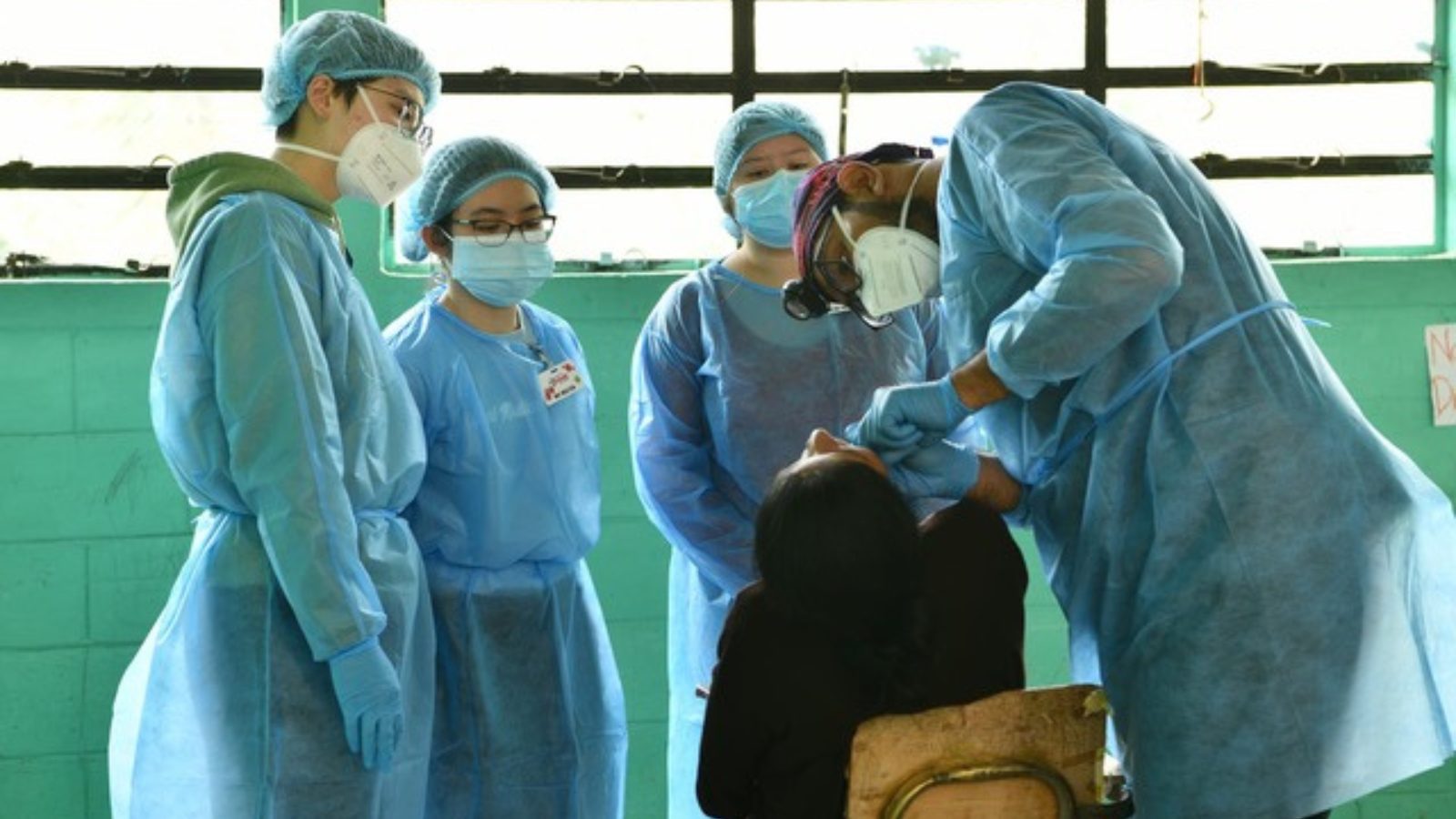
During my undergraduate years at UC Davis, I joined the Global Medical Brigades club and traveled to Ghana and Guatemala to work alongside local healthcare providers. These trips were more than volunteer opportunities, they were immersive experiences that reshaped how I understood health, equity, and the role I wanted to play in the field. They set me on a path to pursue my Masters of Public Health.
Ground-Level Lessons in Global Health
In Ghana, our brigade partnered with rural clinics in the Central Region to provide primary care, public health education, and community outreach. I shadowed physicians as they diagnosed and treated malaria, respiratory infections, and other preventable conditions. I assisted in triage, recorded patient histories, and helped organize medication supplies.
In Guatemala, our team traveled to remote mountain villages where access to healthcare was limited by geography, economic constraints, and language barriers. Many patients spoke Indigenous Mayan languages, making interpreters essential for care delivery. These experiences highlighted how cultural competence and communication are just as critical to health outcomes as medical interventions themselves.
In both countries, I saw how factors like clean water access, education, and economic stability shaped the health of entire communities, insights that I had never encountered so vividly in a classroom setting.
Beyond Treatment: The Value of Public Health
While much of our work involved direct patient care, the most lasting impact came from prevention and education. In Ghana, I helped lead community sessions on malaria prevention and practicing good hygiene habits. In Guatemala, I worked with families on nutrition and chronic disease prevention, tailoring our approach to local diets and resources.
These moments revealed the essential truth that while medicine treats illness, public health prevents it and lasting change happens when the two work together.
Shaping My Career Goals
Before my medical brigade experiences, I envisioned a future solely in clinical medicine. But standing in rural clinics in Ghana and Guatemala, I realized that patient care cannot be separated from the systems, infrastructure, and policies that make healthcare accessible or inaccessible in the first place.
This realization led me to pursue my MPH with a focus on global health, equipping myself with the tools to address inequities both at the bedside and at the policy table. My long-term goal is to combine public health training with medical practice, enabling me to advocate for systemic change as a physician while providing compassionate, culturally informed care.
A Lifelong Commitment to Global Health
The lessons I learned in Ghana and Guatemala were to listen before acting, center community voices, and view healthcare through both a clinical and public health lens. As I continue my MPH training and prepare to apply to medical school, I carry those experiences as both a guide and a reminder of why I chose this path. Those medical brigades were not just trips abroad but they were the spark that transformed my interest in healthcare into a lifelong commitment to advancing equitable, community-centered health, both locally and globally.